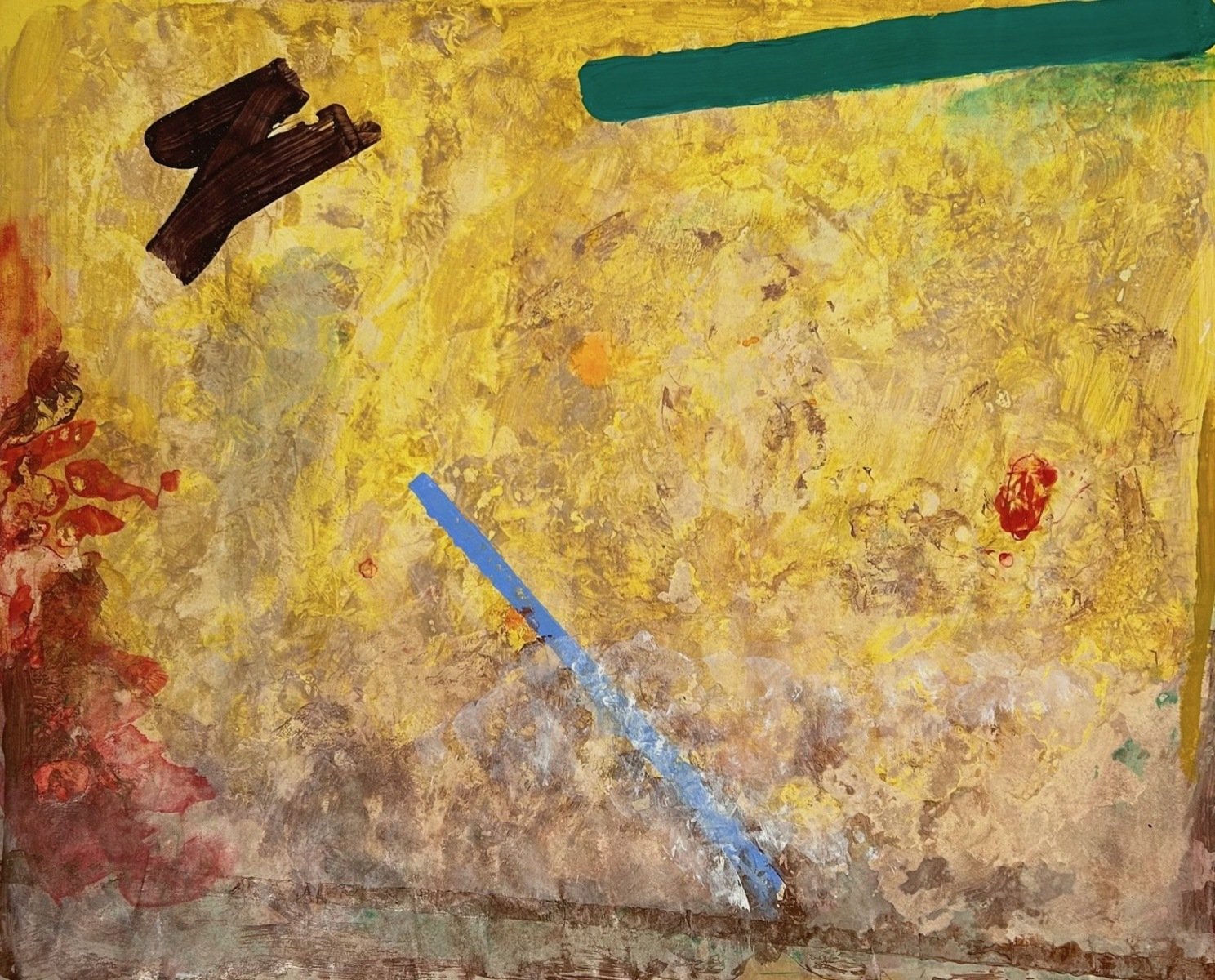
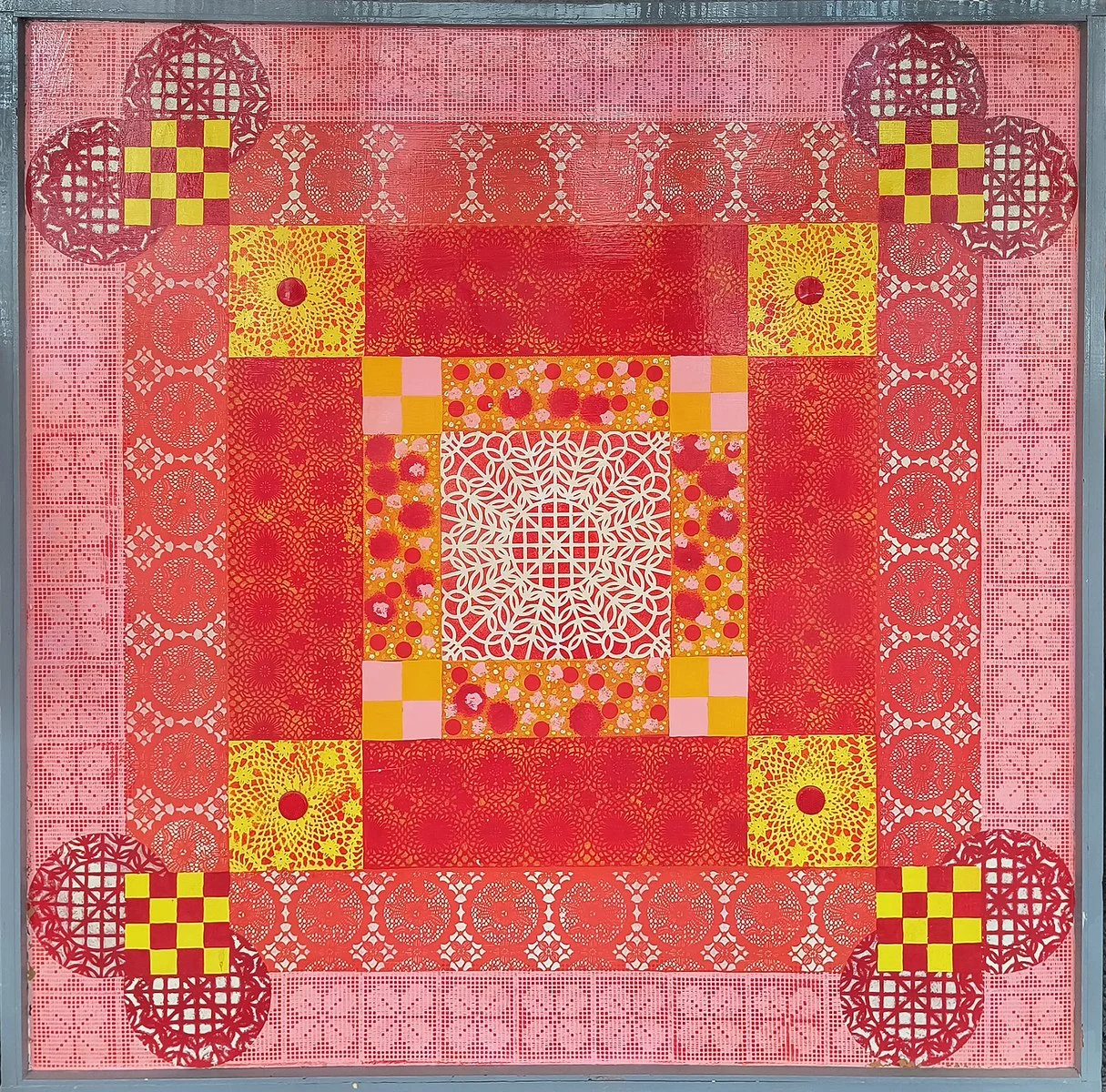
20th Century Collection
Here is a collection of our 20th Century collection, some of which is featured in our gallery. Containing a lot of figurative work from artists such as Paul-Henri Bourguignon, Otto Neumann, Jack Meanwell, and Thomas Zuck, the human figure is the focal point of our collection.
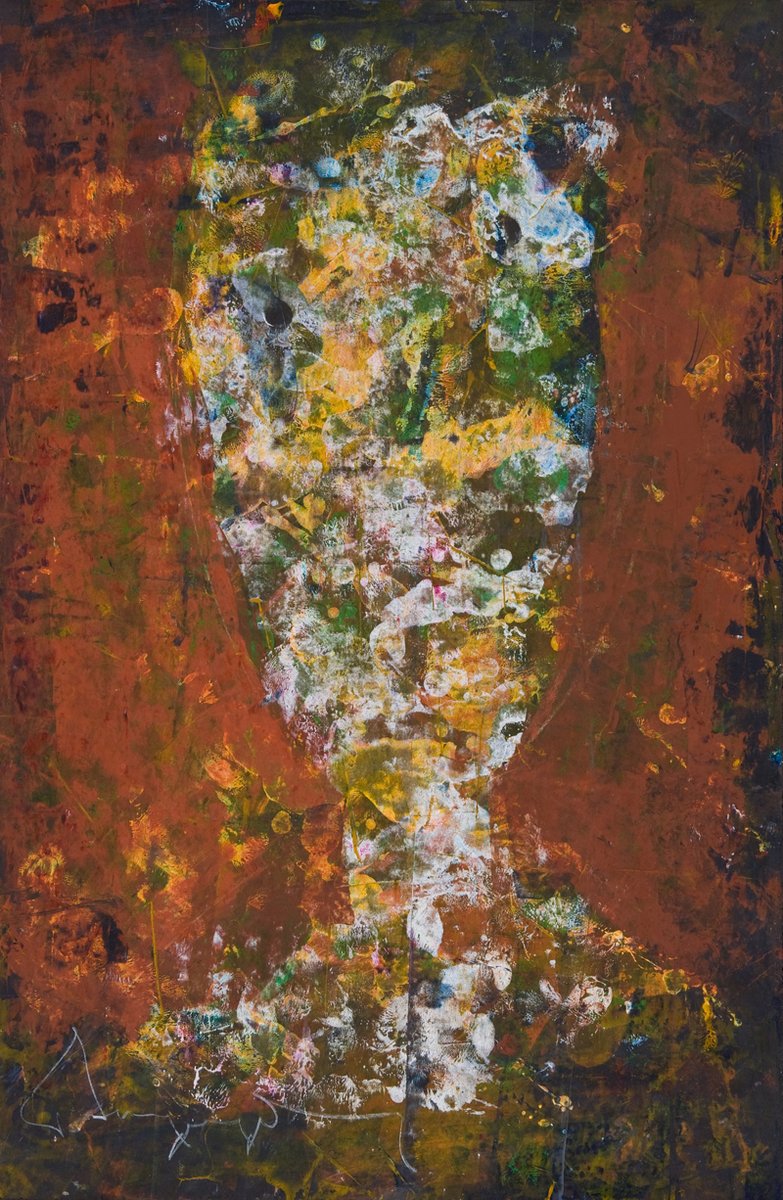
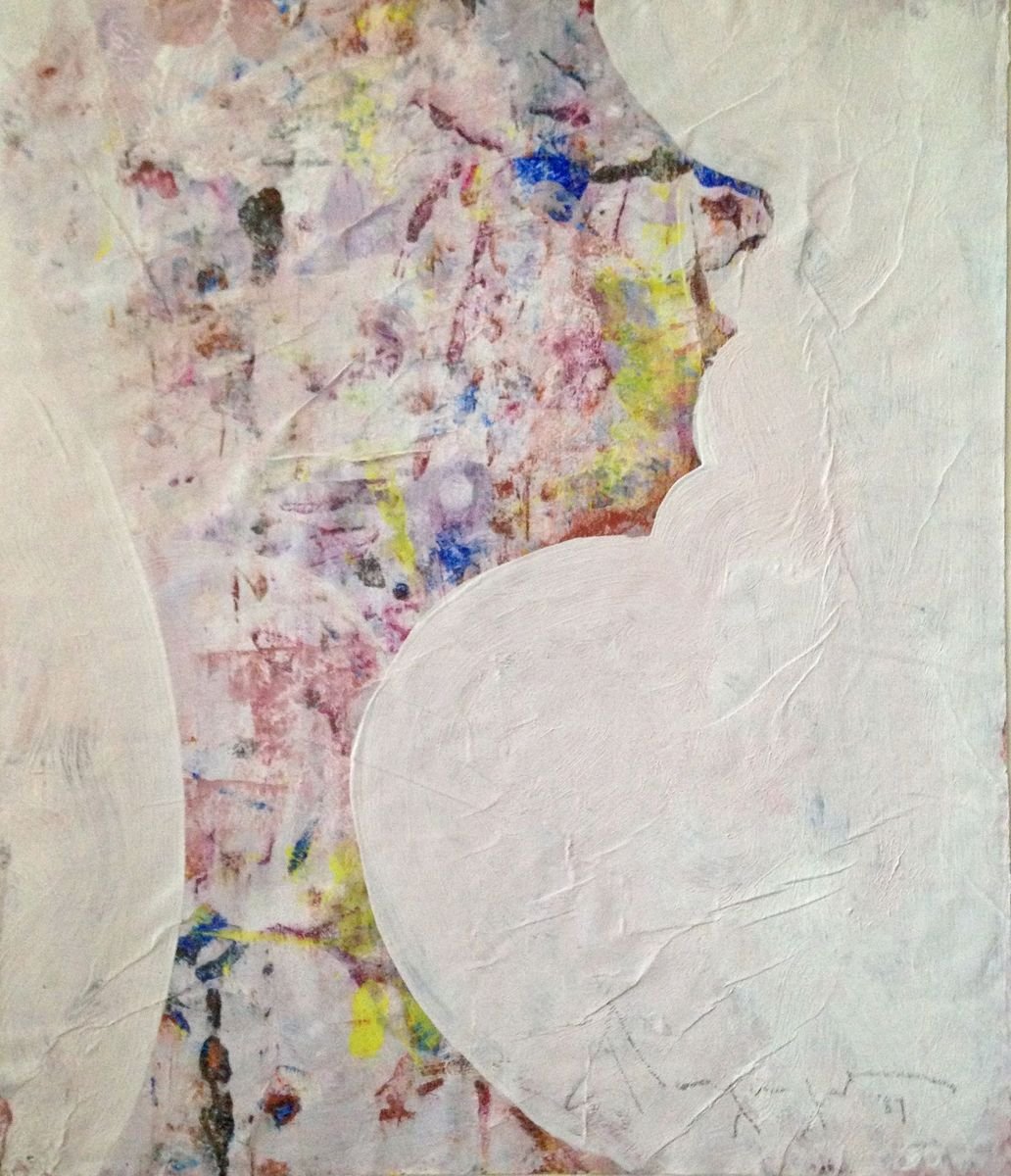
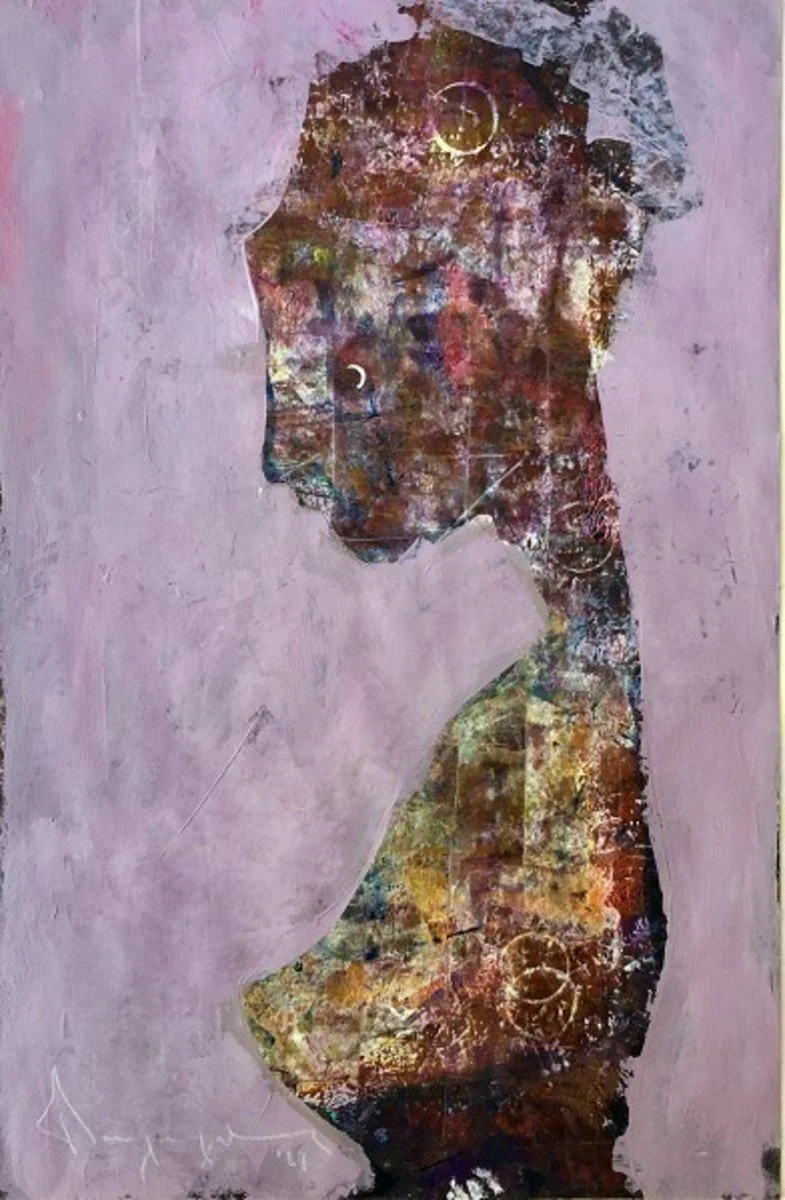


35 x 46 ″
ed. 190/300. Milton H. Greene (1922-1985) was an American photographer best known for his photoshoots with Marilyn Monroe. He initially built a career in fashion and celebrity photography, creating work that appeared in well-known magazines such as Vogue. He earned the moniker of "Color Photography's Wonder Boy," and his 1954 photograph of Marilyn Monroe in a ballet tutu was proclaimed by Time Life to be one of the three most popular images of the 20th century.
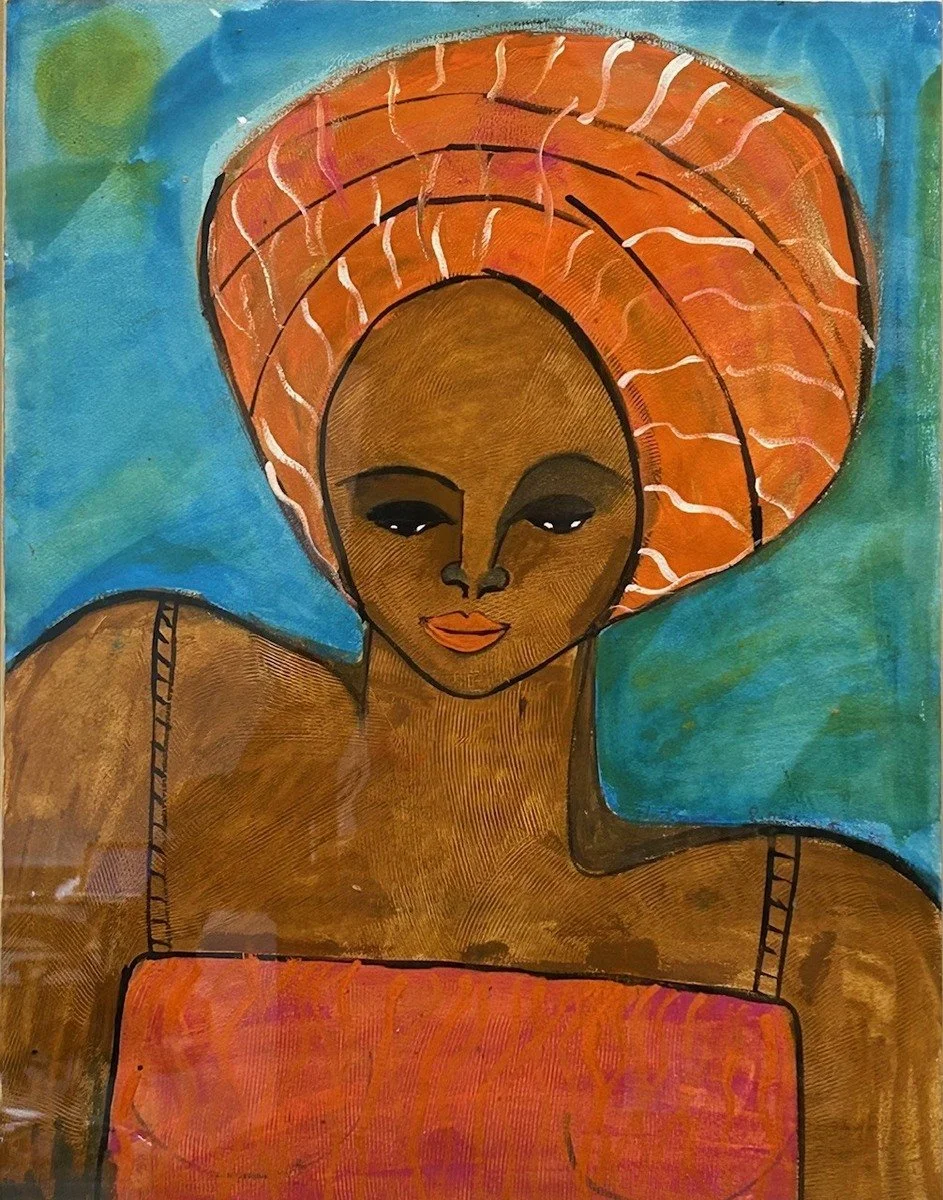
27.5 x 21.5 ″
Elizabeth Martineau, a Haitian artist born in Port-au-Prince, was shaped by an artistic milieu, raised in the home of her uncle, architect and sculptor Albert Mangones, co-founder of Haiti’s Centre d’Art. Exiled during youth, she engaged with artists like Fernando Botero in Colombia and Lois Mailou Jones in Washington, DC. Martineau’s technique involves layering paper on Arches paper or canvas, painting with acrylics, and outlining subjects in bold black, accentuated by vibrant colors and gold streaks. Her works, depicting serene figures, priestesses, and masks, evoke Caribbean and African themes. She holds degrees from the University of Medellín and Corcoran School of Art.
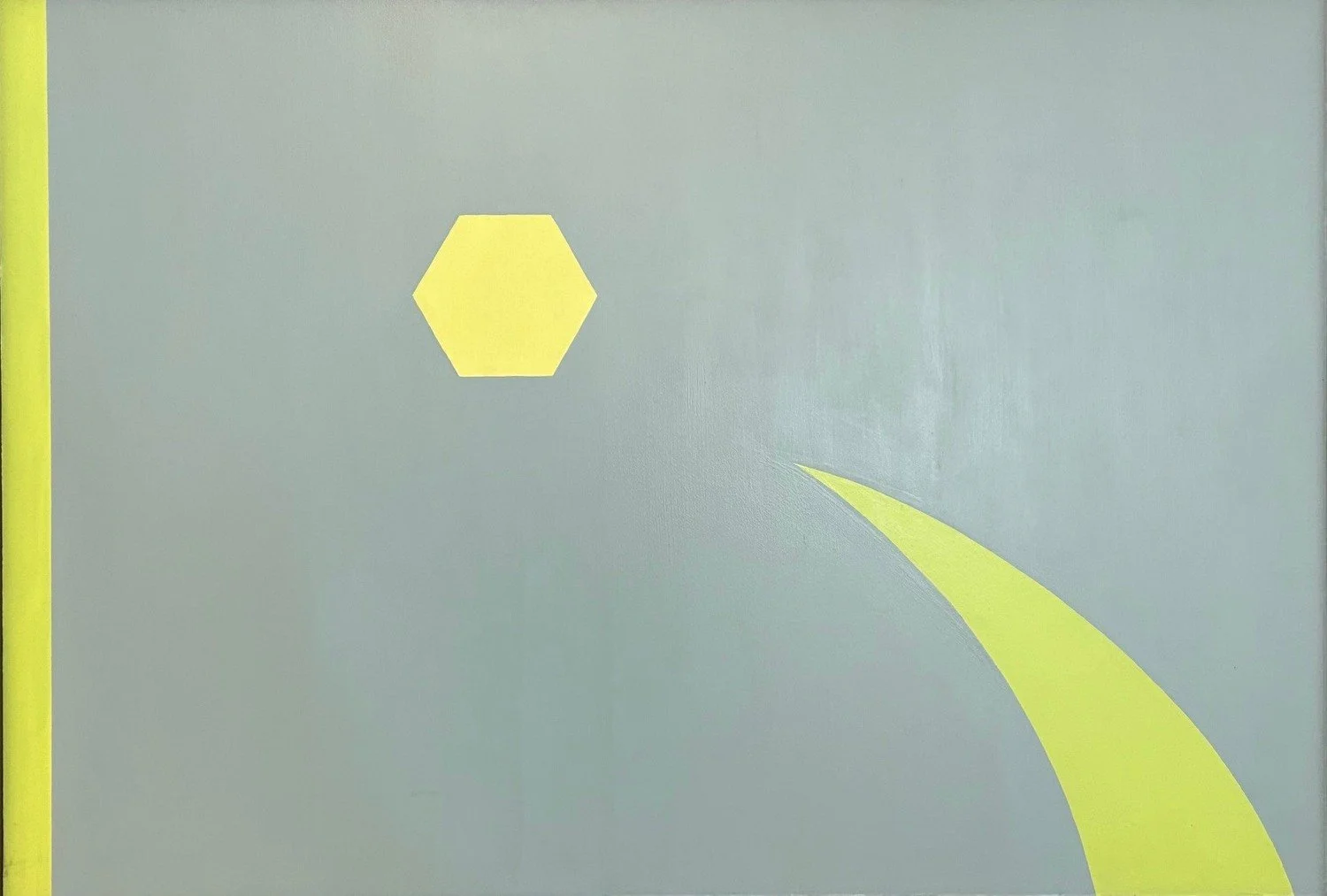
24 x 34.5 ″
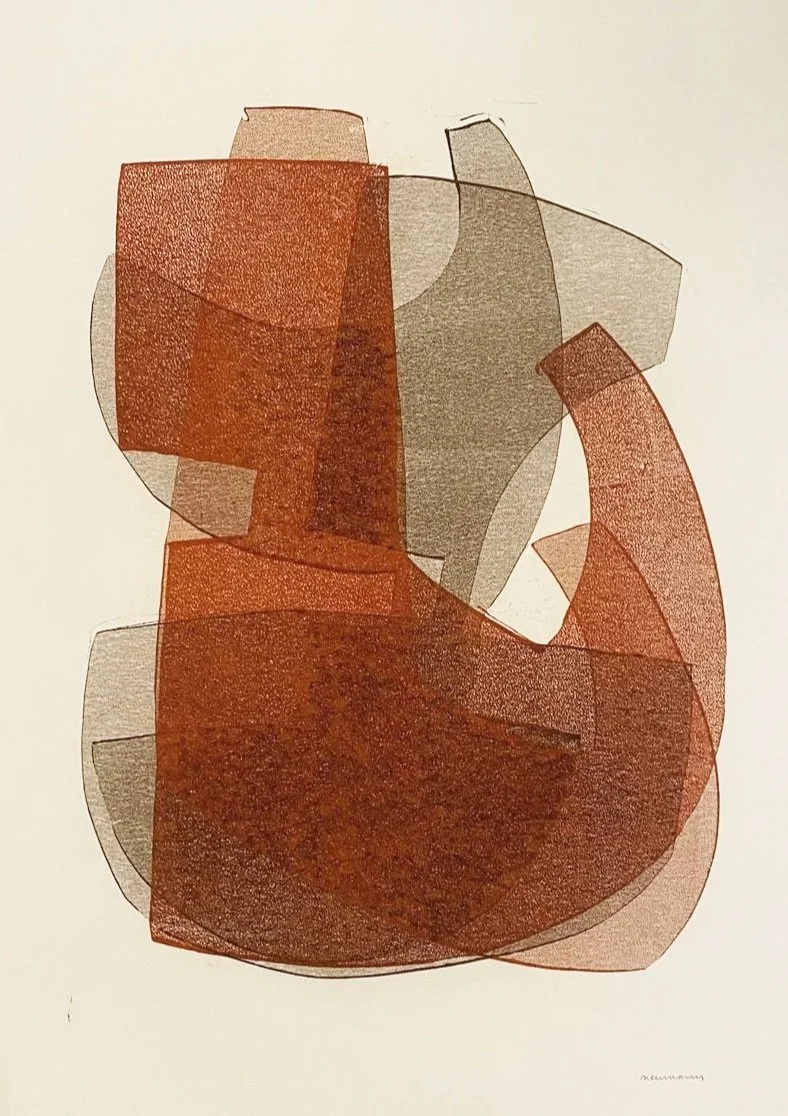
24.5 x 17.5 ″
Otto Neumann (1895-1975) was a German expressionist painter and printmaker. Neumann made work based on the human form and his own literary interests, including Dante's Inferno, African fairy tales, and the Passion of Christ. During the Nazi regime, Neumann's work was labeled as "degenerate"; his refusal to divorce his Jewish wife, Hilde (whose family later fled the country) further hurt his prospects. After the war he still took an interest with the subjects of classical antiquity and myth, but never returned to the medium of oil or watercolor. He became depressed and reliant on medication, and eventually self-admitted to a sanitarium, but continued to work. It was only a year after Hilde's death in 1970 that he stopped producing work entirely. Many artists that were young during the later part of Neumann's career drew inspiration from and identified with his highly abstracted forms. Much of Neumann's earlier work, on the other hand, would have been destroyed by the artist himself had it not been for Hilde taking and storing them. It is thanks to her that, to this day, some of his early work is still known and regarded highly.
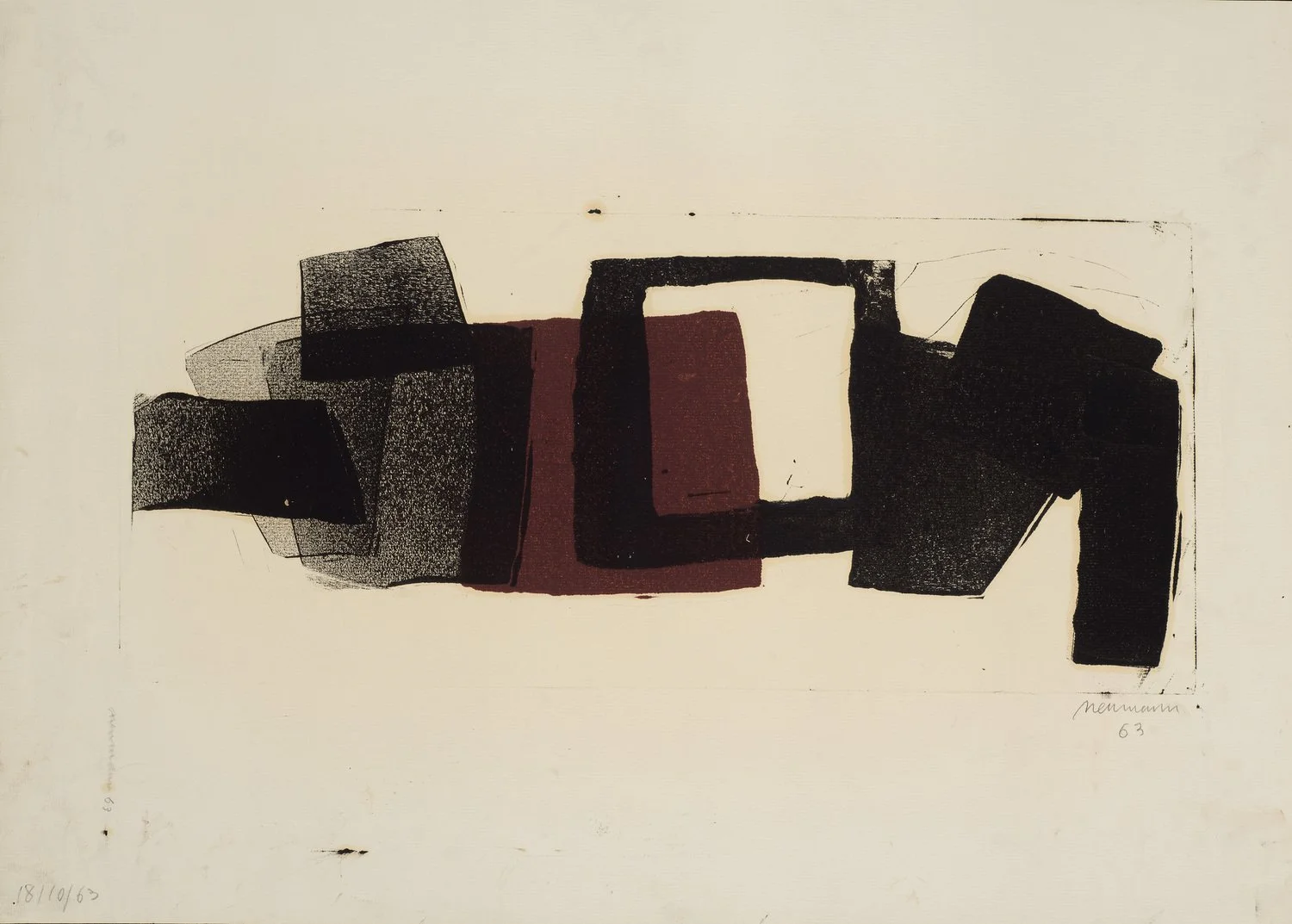
18 x 25 ″
Otto Neumann (1895-1975) was a German expressionist painter and printmaker. Neumann made work based on the human form and his own literary interests, including Dante's Inferno, African fairy tales, and the Passion of Christ. During the Nazi regime, Neumann's work was labeled as "degenerate"; his refusal to divorce his Jewish wife, Hilde (whose family later fled the country) further hurt his prospects. After the war he still took an interest with the subjects of classical antiquity and myth, but never returned to the medium of oil or watercolor. He became depressed and reliant on medication, and eventually self-admitted to a sanitarium, but continued to work. It was only a year after Hilde's death in 1970 that he stopped producing work entirely. Many artists that were young during the later part of Neumann's career drew inspiration from and identified with his highly abstracted forms. Much of Neumann's earlier work, on the other hand, would have been destroyed by the artist himself had it not been for Hilde taking and storing them. It is thanks to her that, to this day, some of his early work is still known and regarded highly.
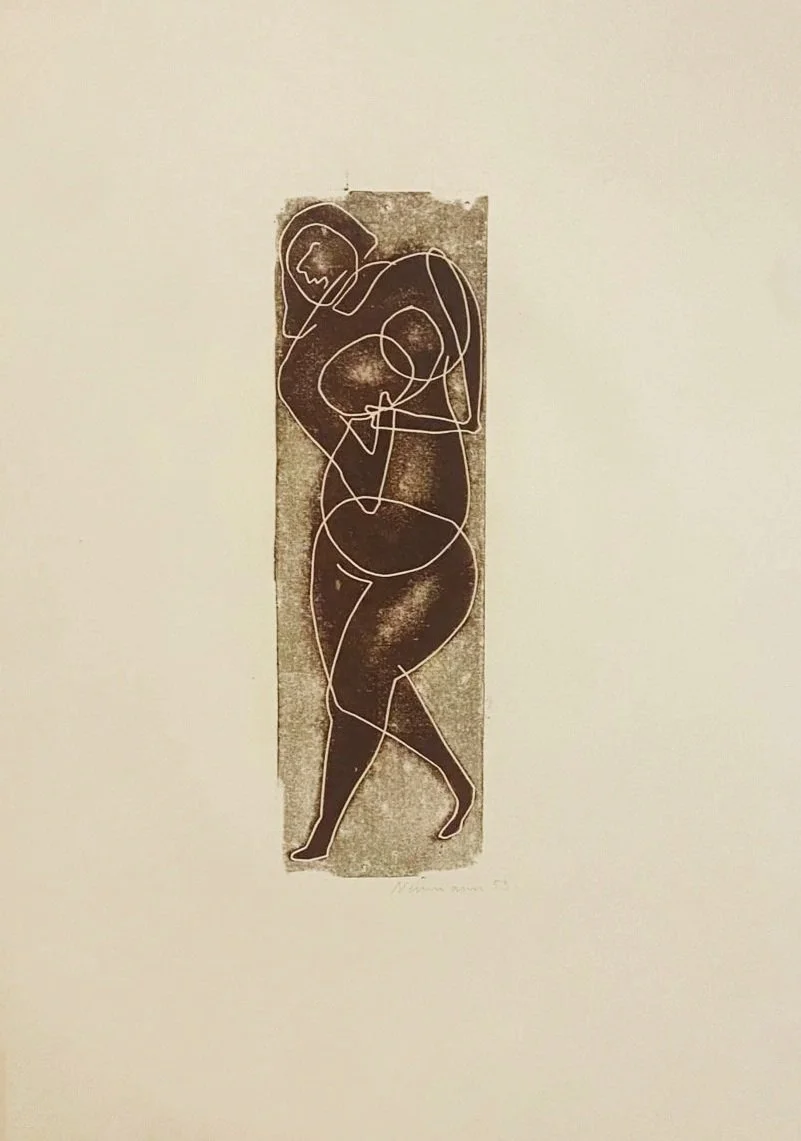
21 x 15 ″
Otto Neumann (1895-1975) was a German expressionist painter and printmaker. Neumann made work based on the human form and his own literary interests, including Dante's Inferno, African fairy tales, and the Passion of Christ. During the Nazi regime, Neumann's work was labeled as "degenerate"; his refusal to divorce his Jewish wife, Hilde (whose family later fled the country) further hurt his prospects. After the war he still took an interest with the subjects of classical antiquity and myth, but never returned to the medium of oil or watercolor. He became depressed and reliant on medication, and eventually self-admitted to a sanitarium, but continued to work. It was only a year after Hilde's death in 1970 that he stopped producing work entirely. Many artists that were young during the later part of Neumann's career drew inspiration from and identified with his highly abstracted forms. Much of Neumann's earlier work, on the other hand, would have been destroyed by the artist himself had it not been for Hilde taking and storing them. It is thanks to her that, to this day, some of his early work is still known and regarded highly.

24 x 36 ″
Herbert Barnett (1910-1972), a Rhode Island-born and highly acclaimed artist, drew from both schools of representational art and the rich tradition of the Cubists. His style is recognizable through its technical proficiency, rectangular brushstrokes, and abstracted subject matter. Works by Barnett are on display in collections across the nation, including the Cincinnati Art Museum and the National Collection of Fine Arts in Washington, D.C.

16 x 20 ″
Oil on board H 16in X W 20in
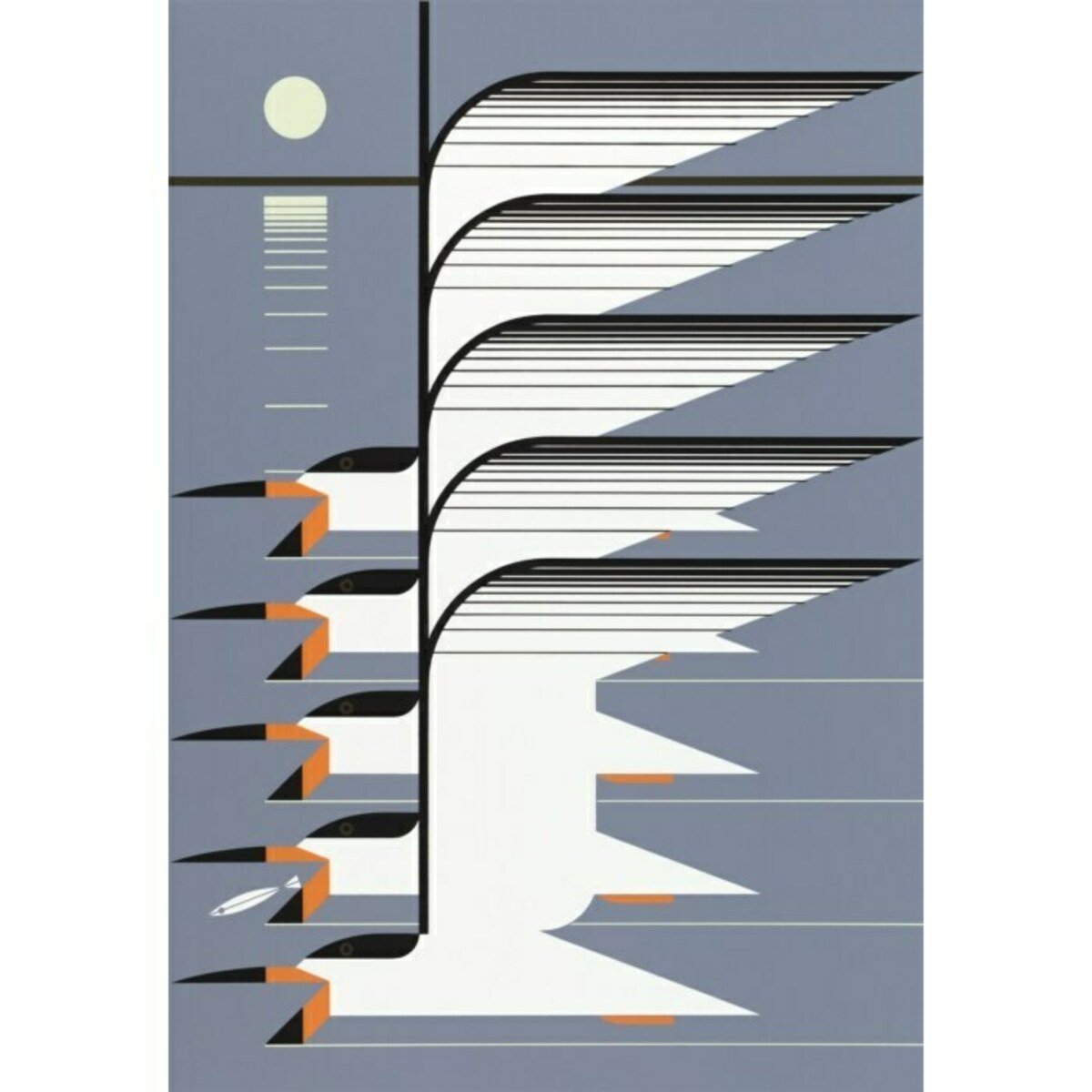
Limited Edition Serigraph
25 x 18 ″
1308/2000
Charley Harper (1922–2007) was an American artist and illustrator known for his colorful, minimalist depictions of birds, animals, and nature. Based in Cincinnati, Ohio, Harper developed a distinctive style he called “minimal realism,” using simple geometric shapes, bold colors, and clean lines to capture the essence of wildlife. His work became especially influential in modern nature illustration and conservation art.
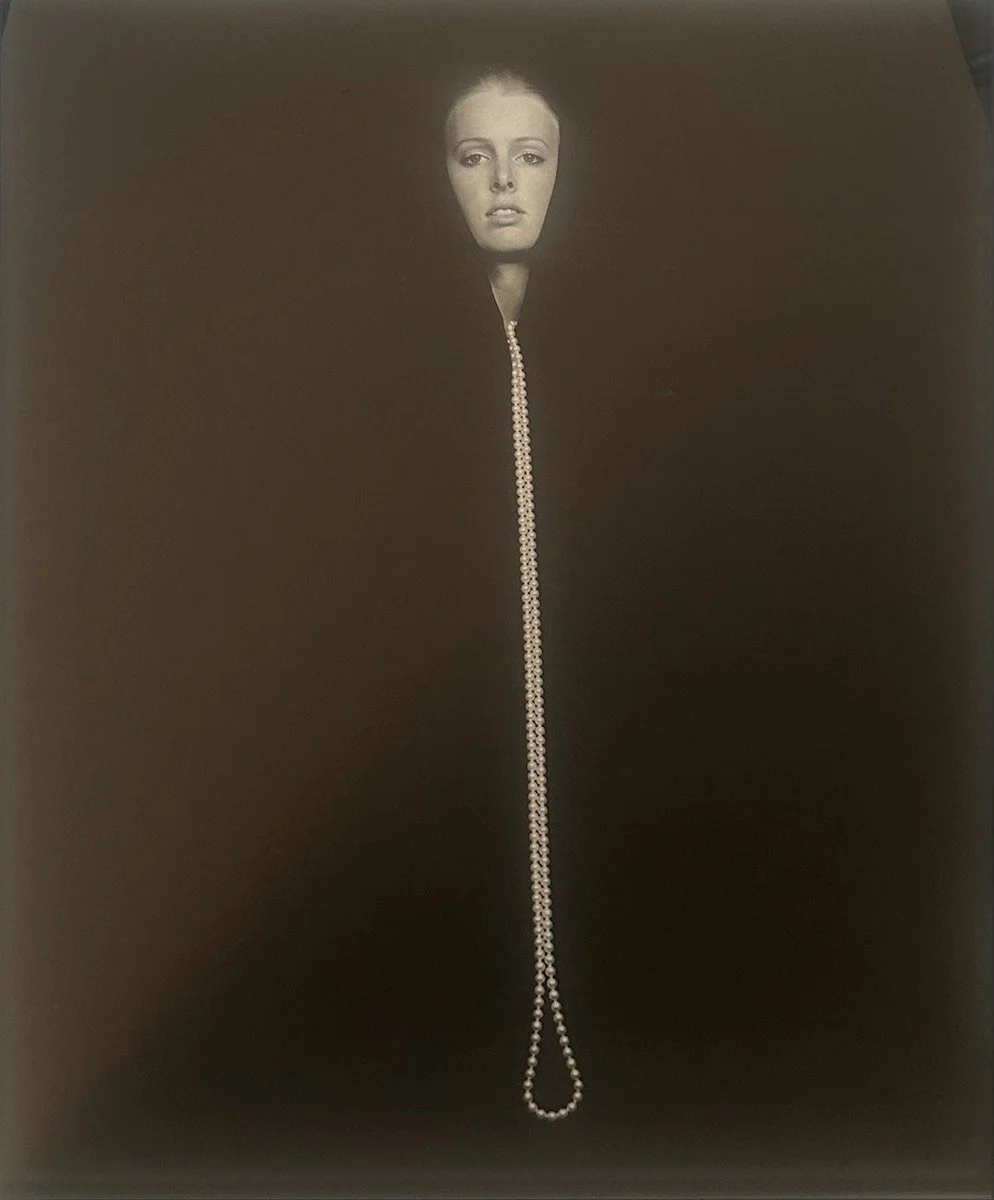
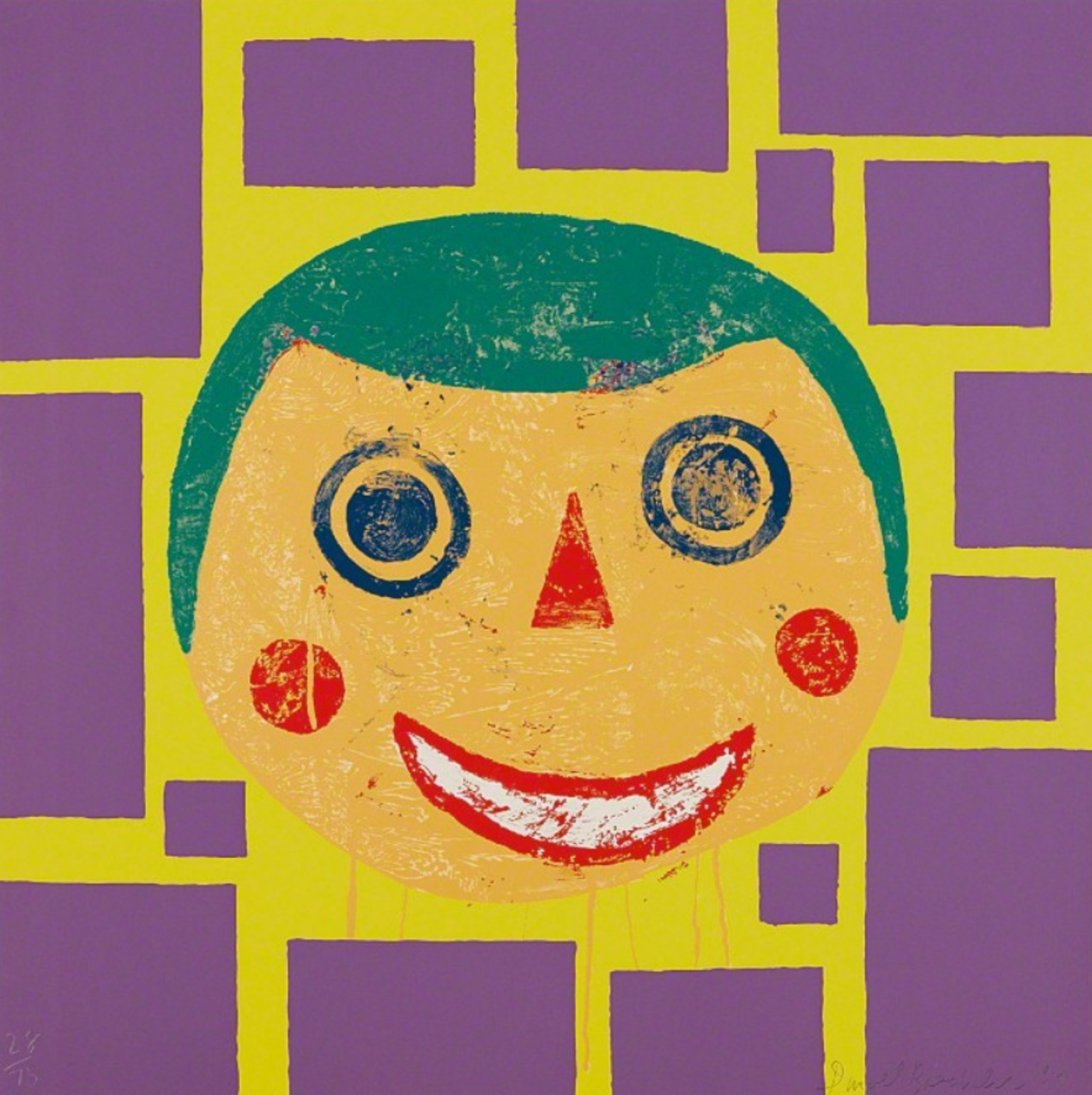
29 x 29 ″
Donald Baechler (1956-2022), a New York-based painter and sculptor, made work that largely dealt in childlike themes. He repeatedly drifted towards subjects like balls, blocks, figures, and flowers, and his work was noted to be playful, sunny, and animated - vivid colors, nostalgic imagery, and expressive figures drawing in audiences both young and old. His work is a part of several museum collections, including the MoMA, the Museum of Fine Arts Boston, and the Guggenheim.
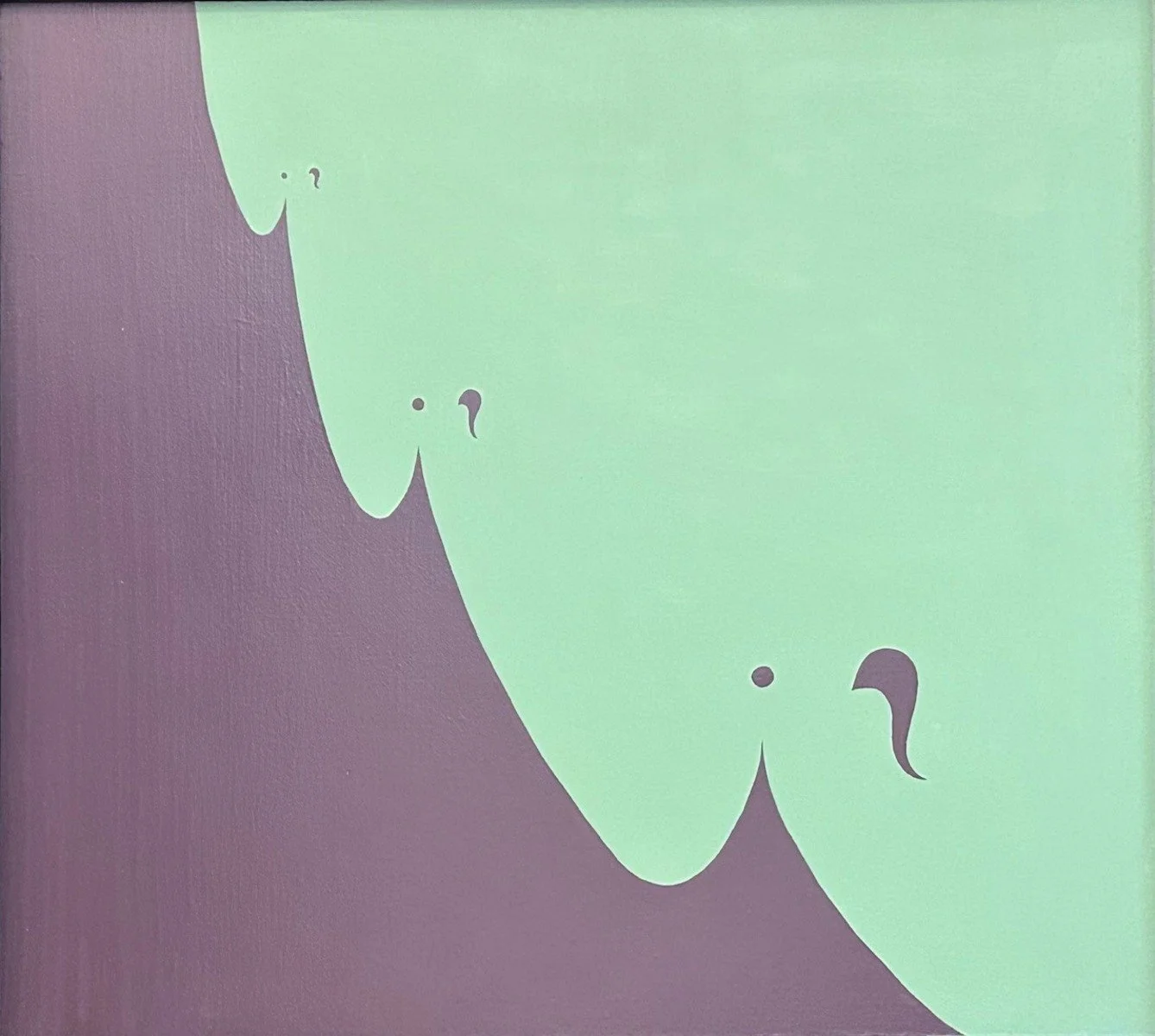
16 x 17.75 ″
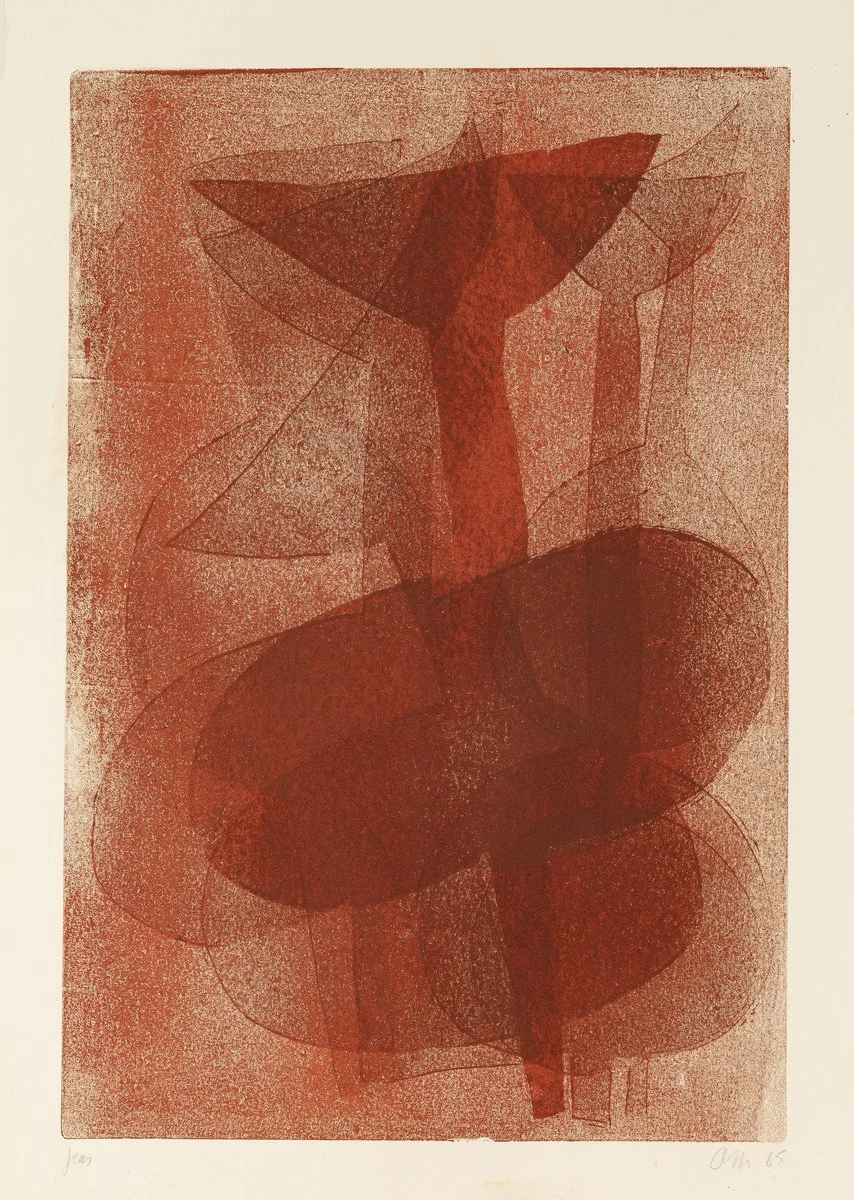
24 x 17 ″
Otto Neumann (1895-1975) was a German expressionist painter and printmaker. Neumann made work based on the human form and his own literary interests, including Dante's Inferno, African fairy tales, and the Passion of Christ. During the Nazi regime, Neumann's work was labeled as "degenerate"; his refusal to divorce his Jewish wife, Hilde (whose family later fled the country) further hurt his prospects. After the war he still took an interest with the subjects of classical antiquity and myth, but never returned to the medium of oil or watercolor. He became depressed and reliant on medication, and eventually self-admitted to a sanitarium, but continued to work. It was only a year after Hilde's death in 1970 that he stopped producing work entirely. Many artists that were young during the later part of Neumann's career drew inspiration from and identified with his highly abstracted forms. Much of Neumann's earlier work, on the other hand, would have been destroyed by the artist himself had it not been for Hilde taking and storing them. It is thanks to her that, to this day, some of his early work is still known and regarded highly.
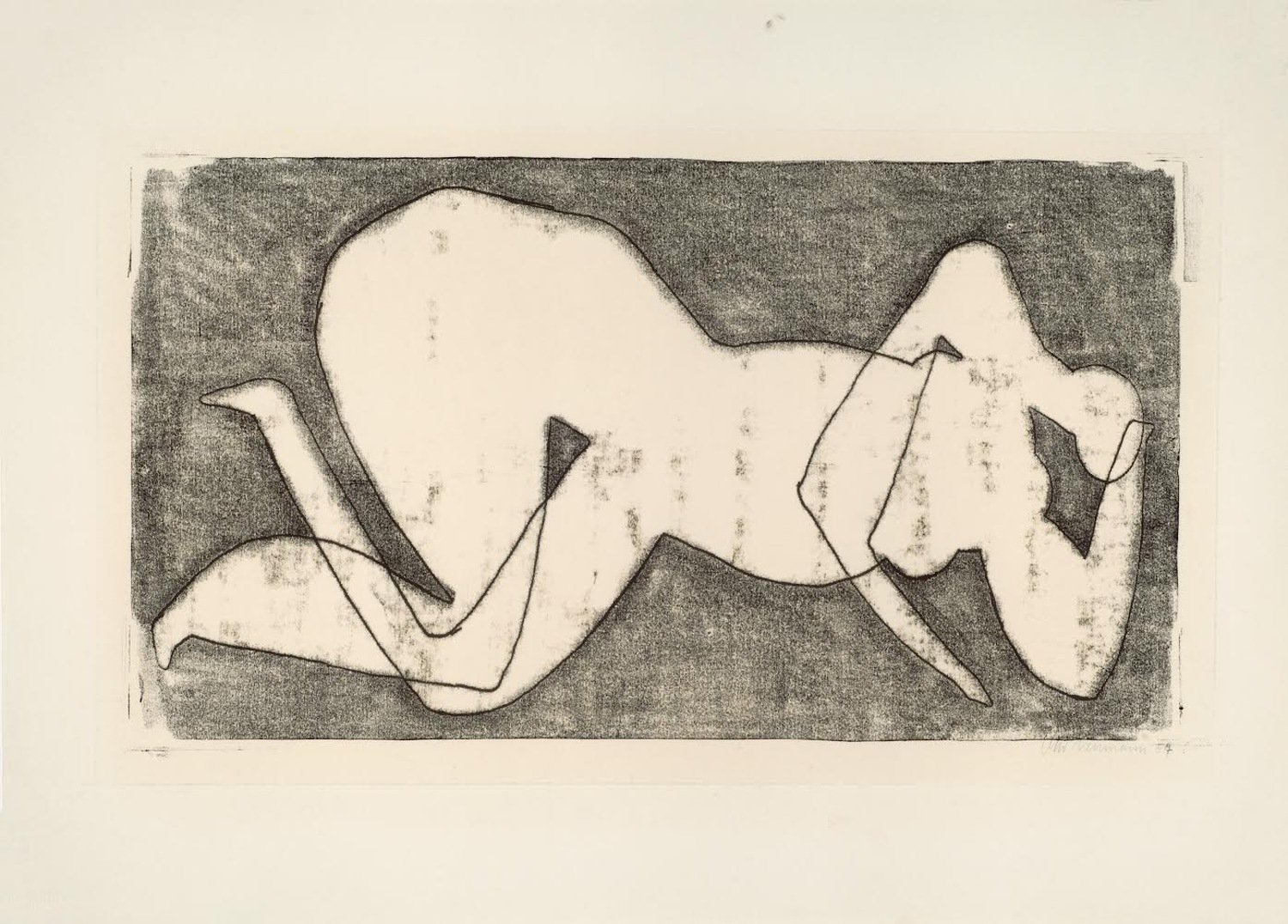
17 x 24 ″
Otto Neumann (1895-1975) was a German expressionist painter and printmaker. Neumann made work based on the human form and his own literary interests, including Dante's Inferno, African fairy tales, and the Passion of Christ. During the Nazi regime, Neumann's work was labeled as "degenerate"; his refusal to divorce his Jewish wife, Hilde (whose family later fled the country) further hurt his prospects. After the war he still took an interest with the subjects of classical antiquity and myth, but never returned to the medium of oil or watercolor. He became depressed and reliant on medication, and eventually self-admitted to a sanitarium, but continued to work. It was only a year after Hilde's death in 1970 that he stopped producing work entirely. Many artists that were young during the later part of Neumann's career drew inspiration from and identified with his highly abstracted forms. Much of Neumann's earlier work, on the other hand, would have been destroyed by the artist himself had it not been for Hilde taking and storing them. It is thanks to her that, to this day, some of his early work is still known and regarded highly.
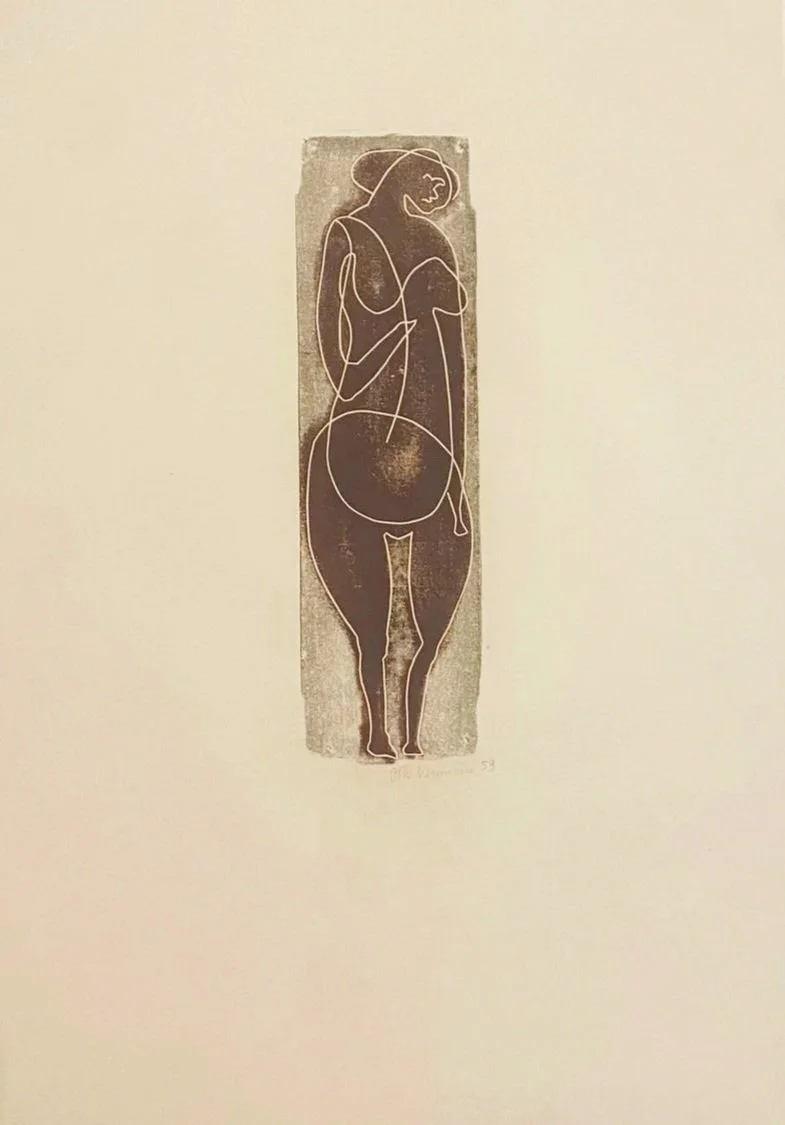
21 x 15 ″
Otto Neumann (1895-1975) was a German expressionist painter and printmaker. Neumann made work based on the human form and his own literary interests, including Dante's Inferno, African fairy tales, and the Passion of Christ. During the Nazi regime, Neumann's work was labeled as "degenerate"; his refusal to divorce his Jewish wife, Hilde (whose family later fled the country) further hurt his prospects. After the war he still took an interest with the subjects of classical antiquity and myth, but never returned to the medium of oil or watercolor. He became depressed and reliant on medication, and eventually self-admitted to a sanitarium, but continued to work. It was only a year after Hilde's death in 1970 that he stopped producing work entirely. Many artists that were young during the later part of Neumann's career drew inspiration from and identified with his highly abstracted forms. Much of Neumann's earlier work, on the other hand, would have been destroyed by the artist himself had it not been for Hilde taking and storing them. It is thanks to her that, to this day, some of his early work is still known and regarded highly.

25.5 x 32 ″
Oil on board 25.5 x 32 inches Framed Signed: Chidlaw

16 x 20 ″
Oil on board H 16in X W 18in
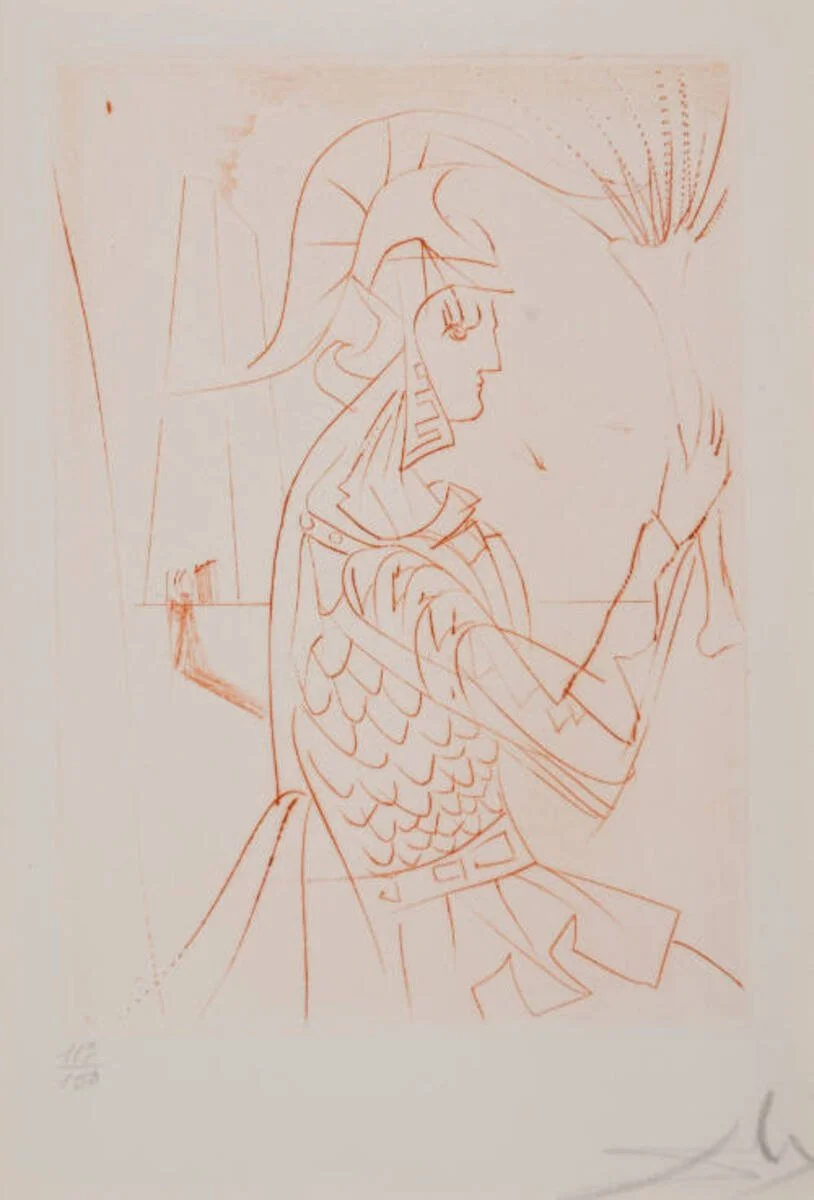
14 x 11 ″
Salvador Dali (1904-1989) Publisher: Jean Schneider As an individual involved in the world of literature, Dali was known for bringing several classics to life through his work. He continually returned to Shakespeare especially as subject matter. This print is part of a series of 15 unique designs, each depicting a moment from Shakespeare's works - including Macbeth, Hamlet, Romeo and Juliet, and a portrait of the playwright himself.
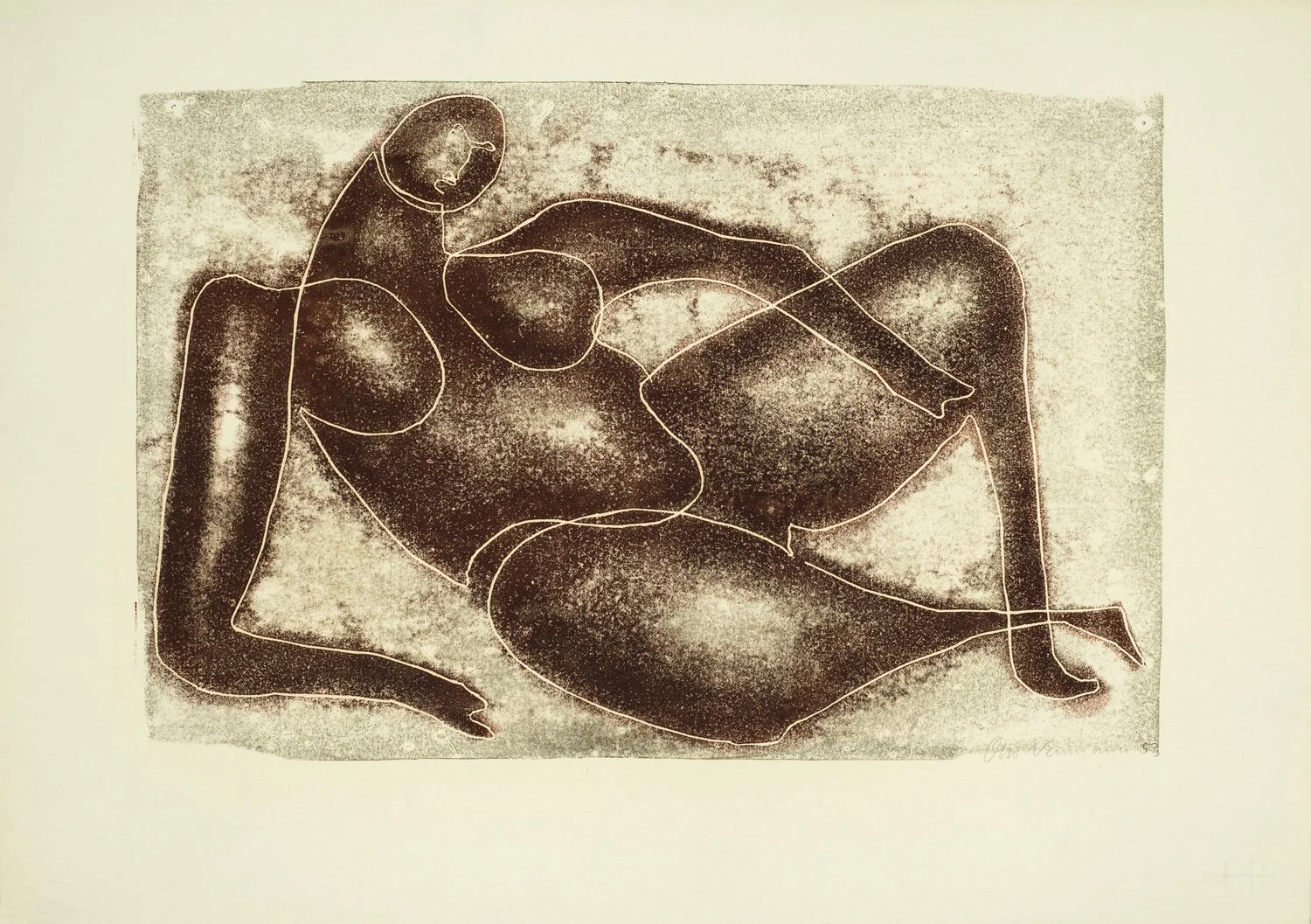
15 x 21 ″
Otto Neumann (1895-1975) was a German expressionist painter and printmaker. Neumann made work based on the human form and his own literary interests, including Dante's Inferno, African fairy tales, and the Passion of Christ. During the Nazi regime, Neumann's work was labeled as "degenerate"; his refusal to divorce his Jewish wife, Hilde (whose family later fled the country) further hurt his prospects. After the war he still took an interest with the subjects of classical antiquity and myth, but never returned to the medium of oil or watercolor. He became depressed and reliant on medication, and eventually self-admitted to a sanitarium, but continued to work. It was only a year after Hilde's death in 1970 that he stopped producing work entirely. Many artists that were young during the later part of Neumann's career drew inspiration from and identified with his highly abstracted forms. Much of Neumann's earlier work, on the other hand, would have been destroyed by the artist himself had it not been for Hilde taking and storing them. It is thanks to her that, to this day, some of his early work is still known and regarded highly.
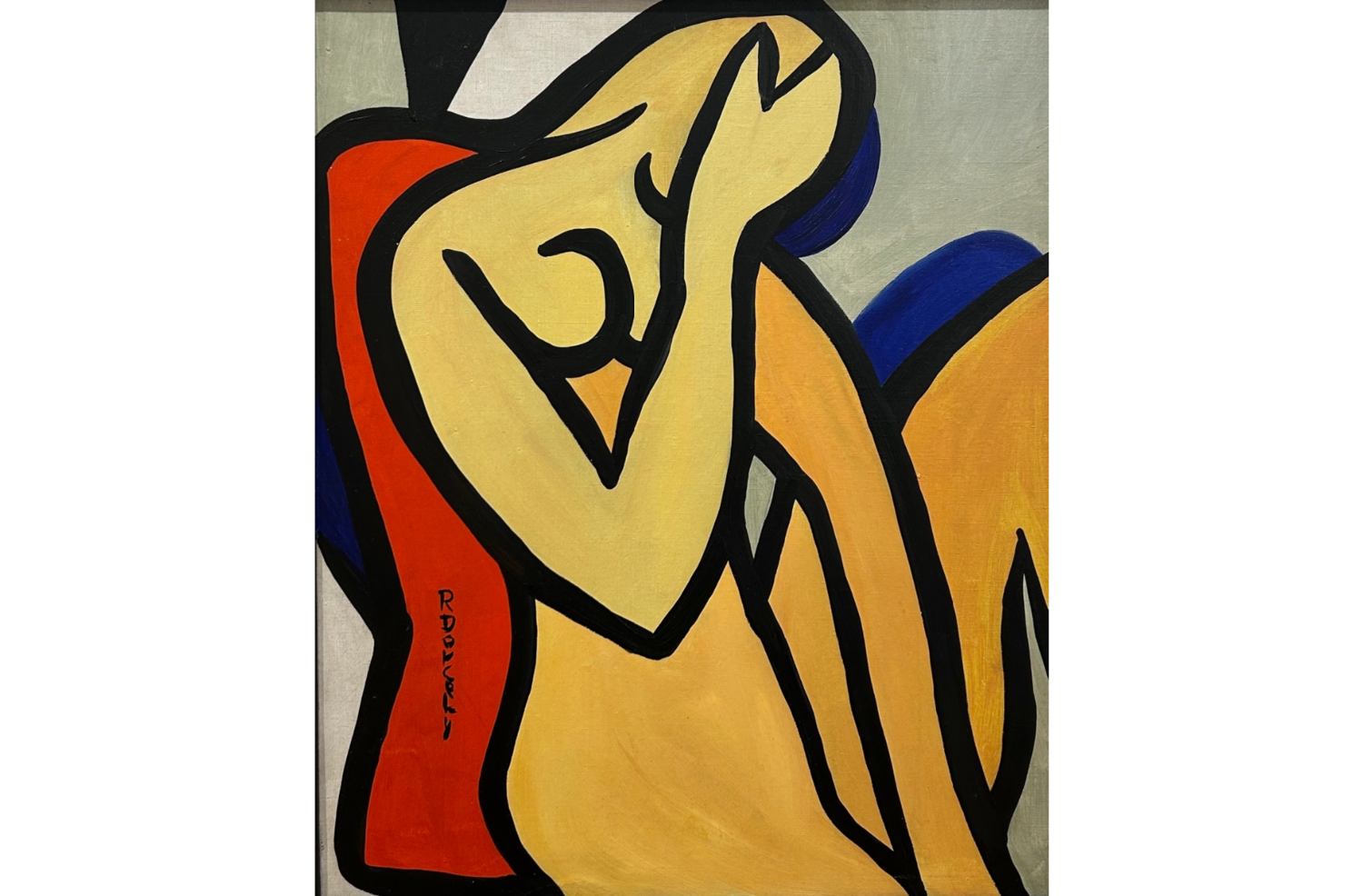

25 x 31 ″
Edition of 11/25. Sandy Skoglund (b. 1946) has a style of photography that is characterized by "[embracing] blatant artificiality," delightful compositions that intentionally repeat patterns and capture viewers with an emphasis on a particular color, and a focus on the subjects of food and animals. She is particularly interested in combining the aesthetics of corporate advertising with the fine art world, expanding on both traditions with a playful exuberance and strong conceptual core.

13 x 20 ″
Acrylic on PaperH 13in X W 20in Framed Dimensions H 21in X W 28.25in
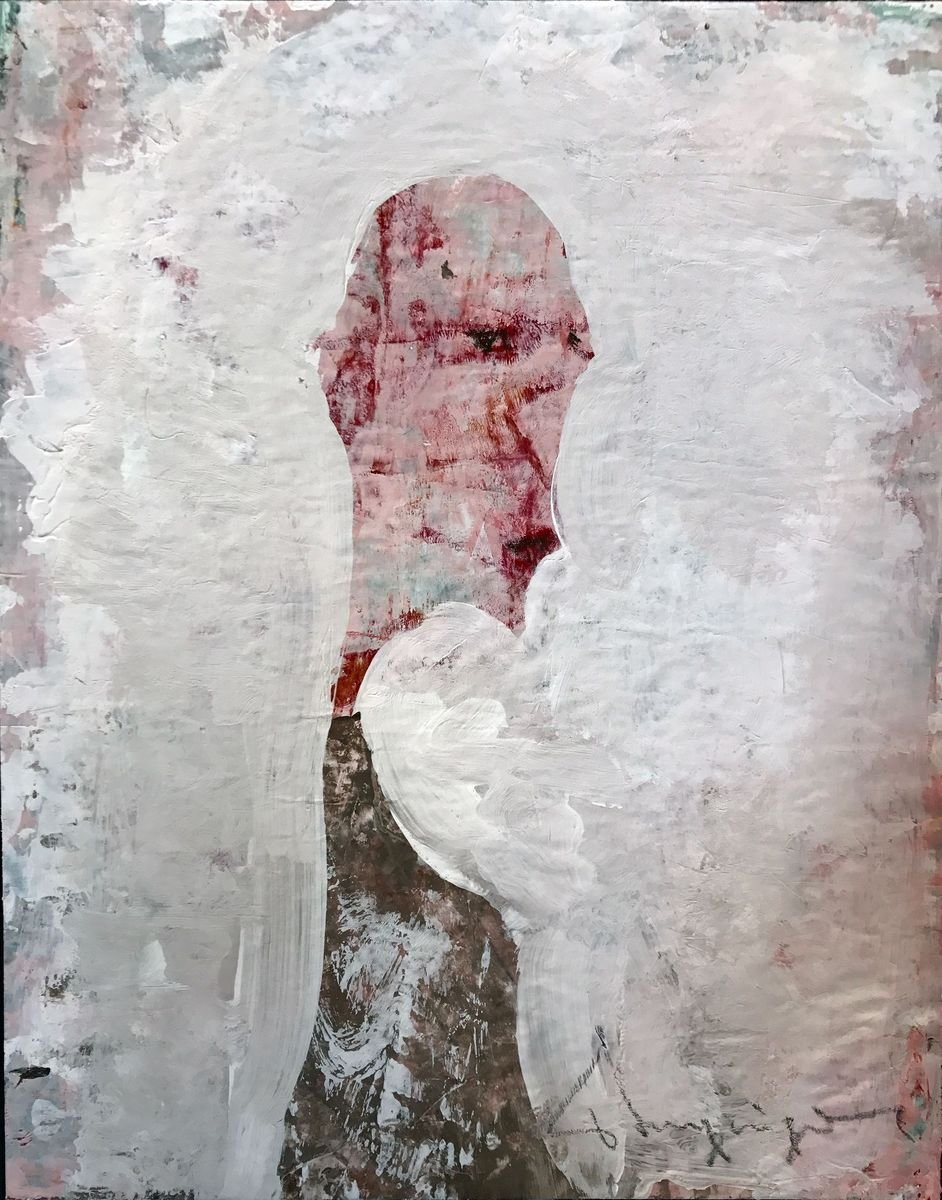


26 x 24 ″
Acrylic on Board25.75” x 23.75”Framed Dimensions: 27” x 23"


6.5 x 9 ″
Medium: Etching with chine collé Dimensions: plate: 6 5/8 x 9 3/8" (16.8 x 23.8 cm); sheet: 11 3/16 x 14 15/16" (28 x 38 cm) Edition of 25
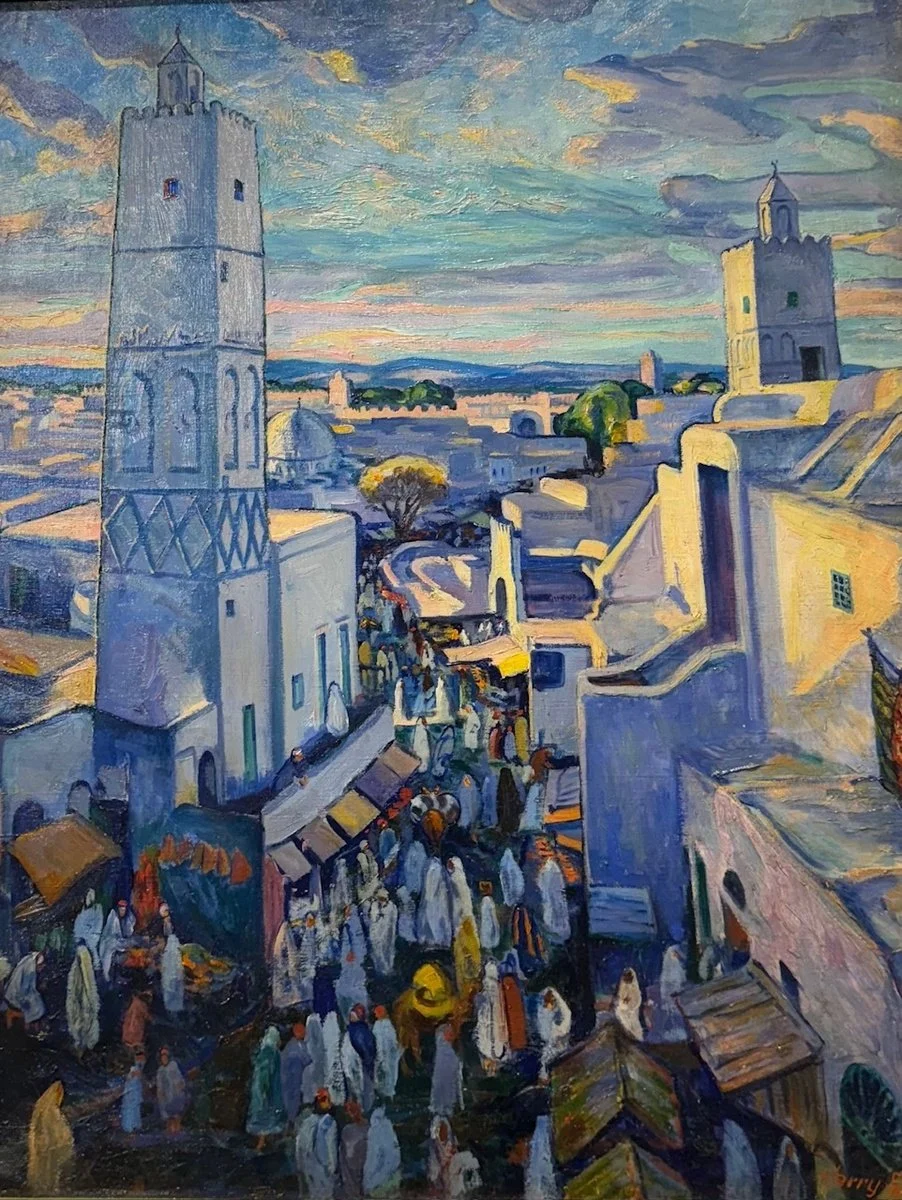
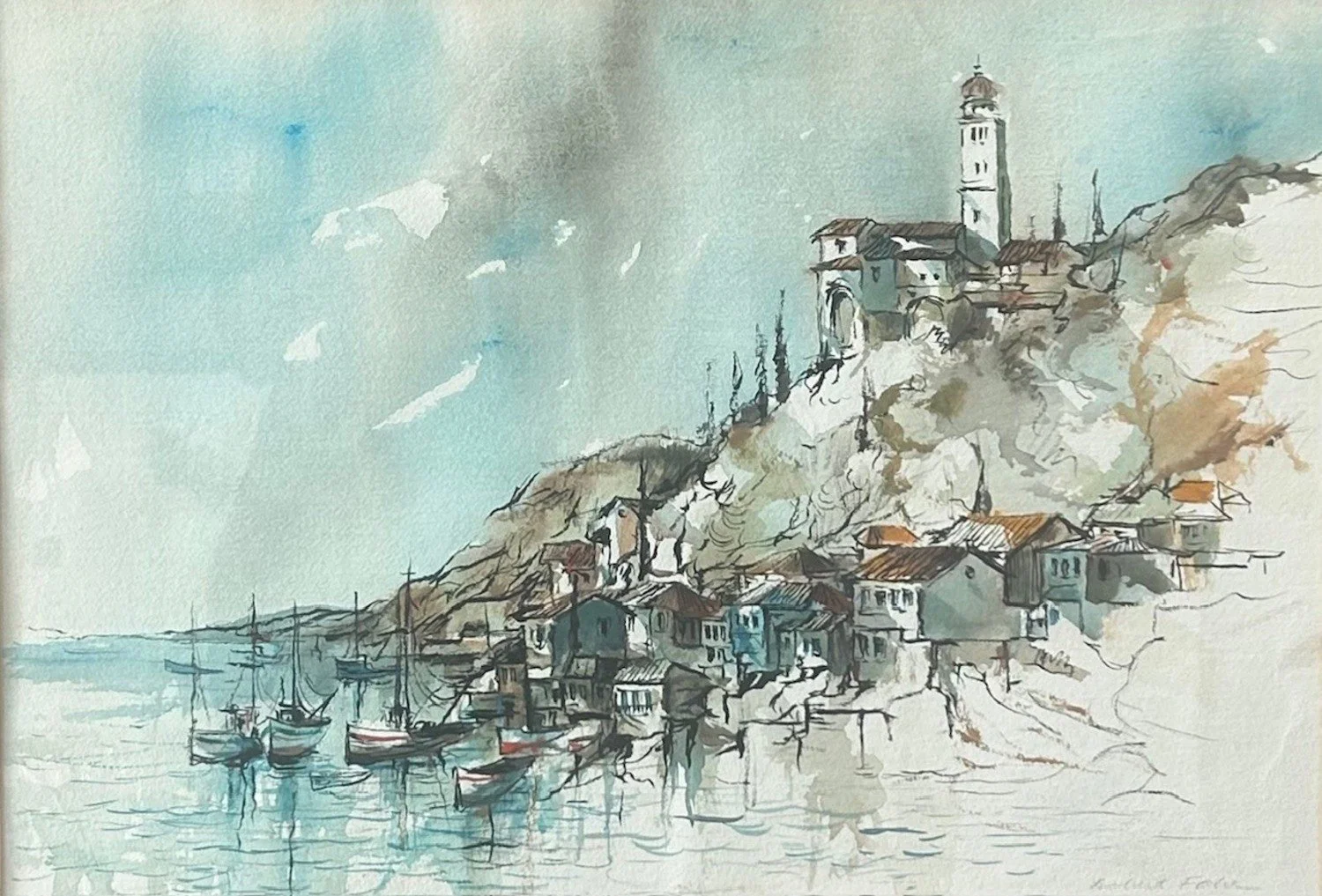
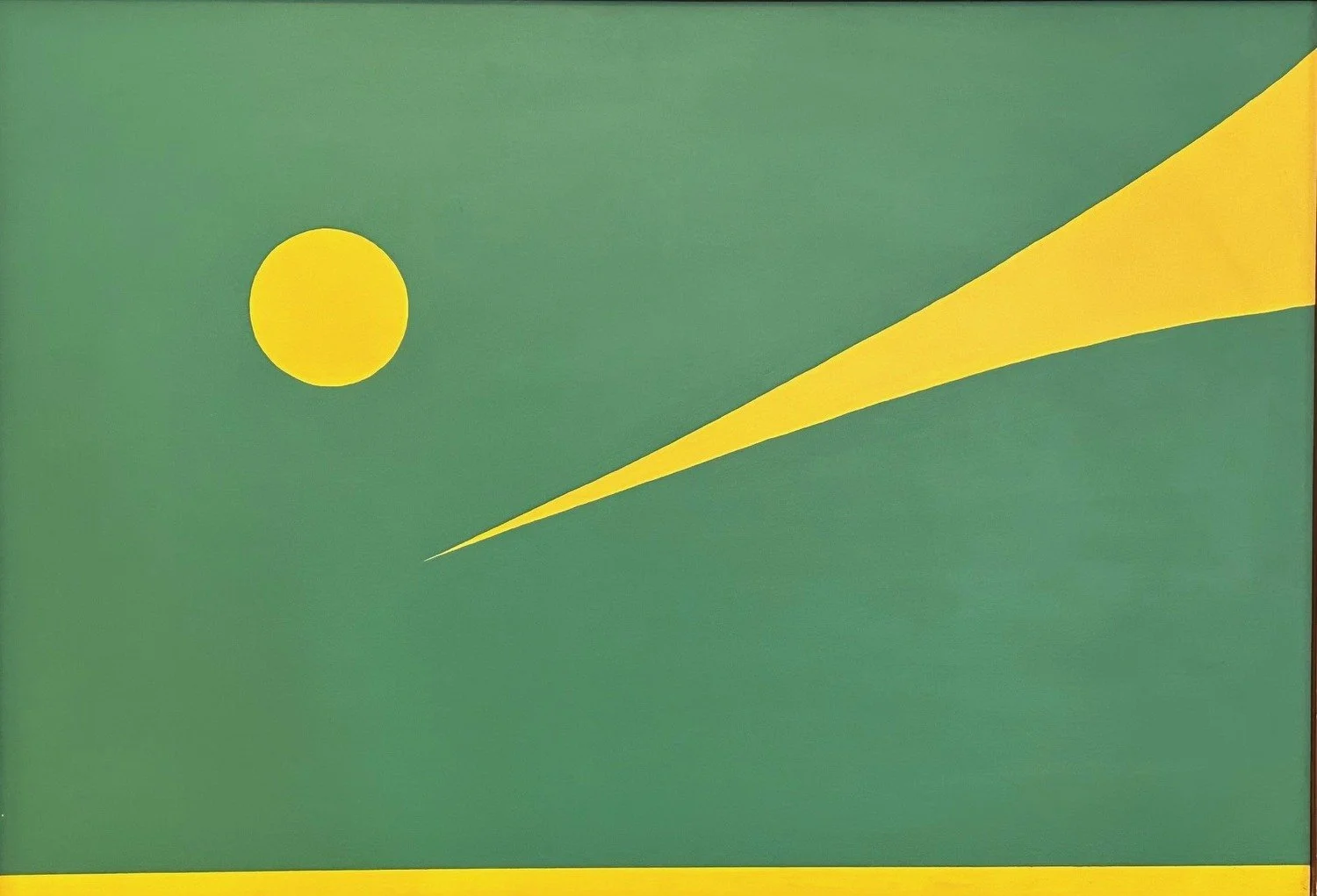
24 x 34.5 ″
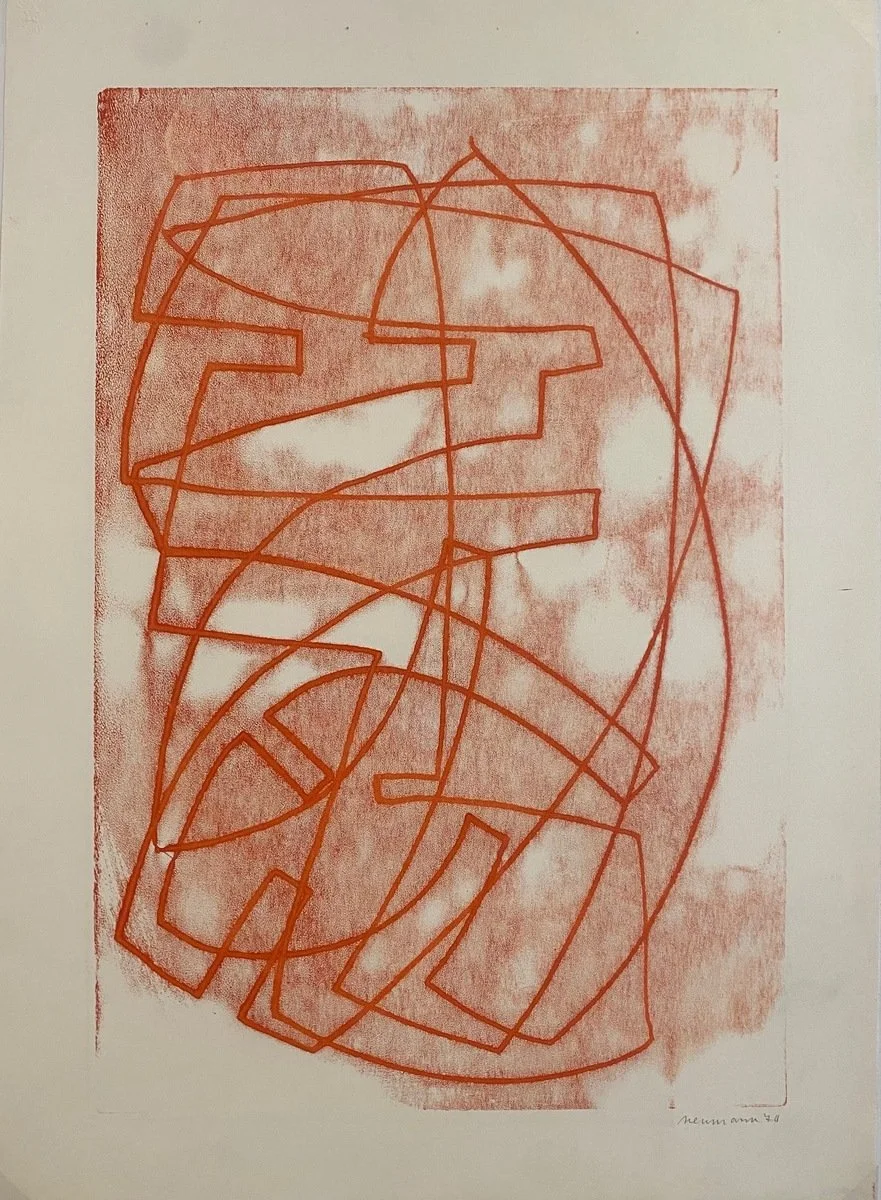
24 x 17 ″
Otto Neumann (1895-1975) was a German expressionist painter and printmaker. Neumann made work based on the human form and his own literary interests, including Dante's Inferno, African fairy tales, and the Passion of Christ. During the Nazi regime, Neumann's work was labeled as "degenerate"; his refusal to divorce his Jewish wife, Hilde (whose family later fled the country) further hurt his prospects. After the war he still took an interest with the subjects of classical antiquity and myth, but never returned to the medium of oil or watercolor. He became depressed and reliant on medication, and eventually self-admitted to a sanitarium, but continued to work. It was only a year after Hilde's death in 1970 that he stopped producing work entirely. Many artists that were young during the later part of Neumann's career drew inspiration from and identified with his highly abstracted forms. Much of Neumann's earlier work, on the other hand, would have been destroyed by the artist himself had it not been for Hilde taking and storing them. It is thanks to her that, to this day, some of his early work is still known and regarded highly.
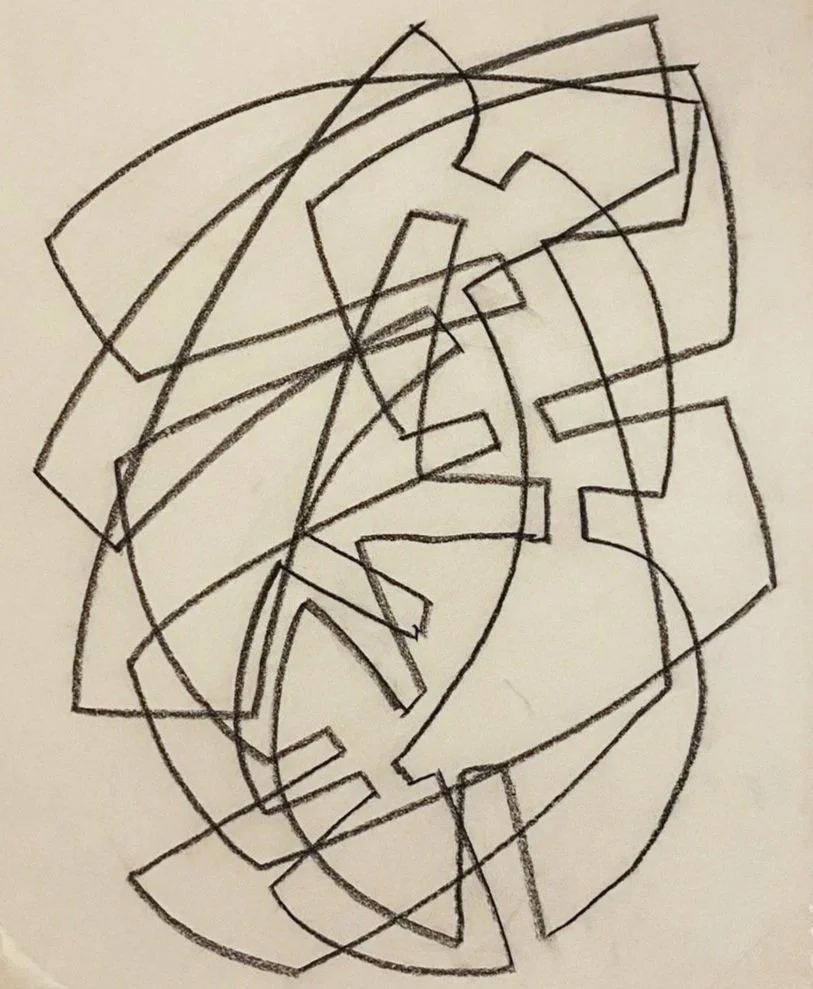
23.5 x 17 ″
Otto Neumann (1895-1975) was a German expressionist painter and printmaker. Neumann made work based on the human form and his own literary interests, including Dante's Inferno, African fairy tales, and the Passion of Christ. During the Nazi regime, Neumann's work was labeled as "degenerate"; his refusal to divorce his Jewish wife, Hilde (whose family later fled the country) further hurt his prospects. After the war he still took an interest with the subjects of classical antiquity and myth, but never returned to the medium of oil or watercolor. He became depressed and reliant on medication, and eventually self-admitted to a sanitarium, but continued to work. It was only a year after Hilde's death in 1970 that he stopped producing work entirely. Many artists that were young during the later part of Neumann's career drew inspiration from and identified with his highly abstracted forms. Much of Neumann's earlier work, on the other hand, would have been destroyed by the artist himself had it not been for Hilde taking and storing them. It is thanks to her that, to this day, some of his early work is still known and regarded highly.
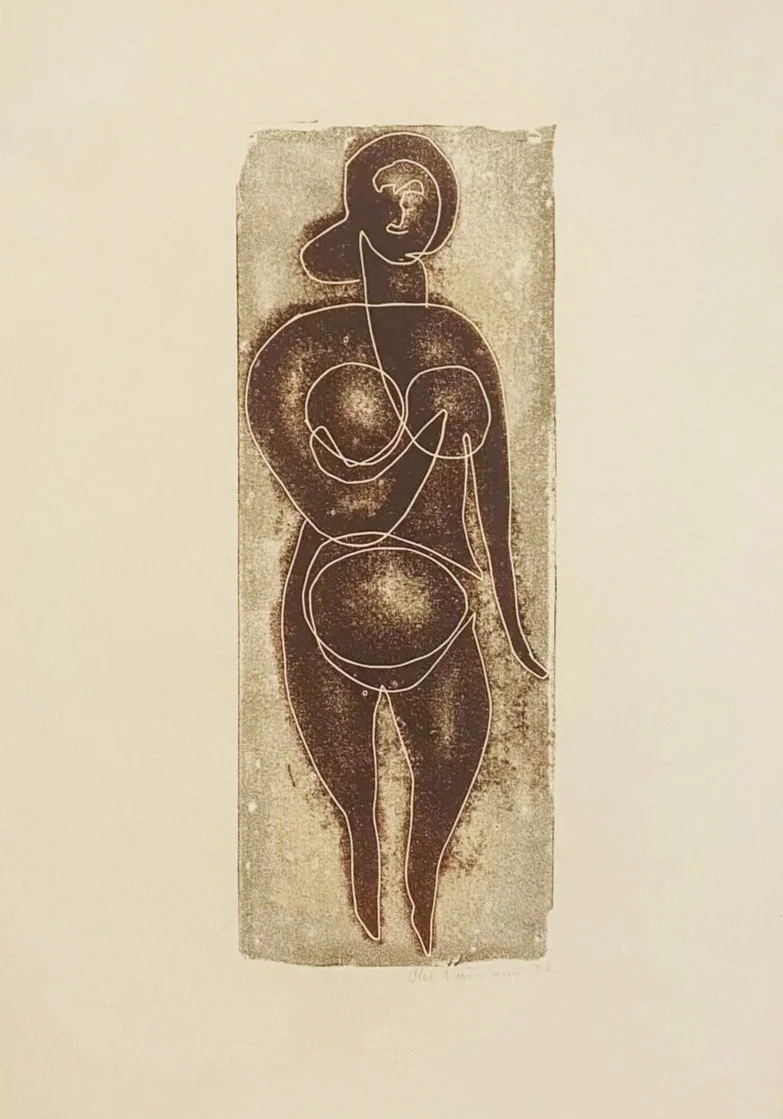
21 x 15 ″
Otto Neumann (1895-1975) was a German expressionist painter and printmaker. Neumann made work based on the human form and his own literary interests, including Dante's Inferno, African fairy tales, and the Passion of Christ. During the Nazi regime, Neumann's work was labeled as "degenerate"; his refusal to divorce his Jewish wife, Hilde (whose family later fled the country) further hurt his prospects. After the war he still took an interest with the subjects of classical antiquity and myth, but never returned to the medium of oil or watercolor. He became depressed and reliant on medication, and eventually self-admitted to a sanitarium, but continued to work. It was only a year after Hilde's death in 1970 that he stopped producing work entirely. Many artists that were young during the later part of Neumann's career drew inspiration from and identified with his highly abstracted forms. Much of Neumann's earlier work, on the other hand, would have been destroyed by the artist himself had it not been for Hilde taking and storing them. It is thanks to her that, to this day, some of his early work is still known and regarded highly.

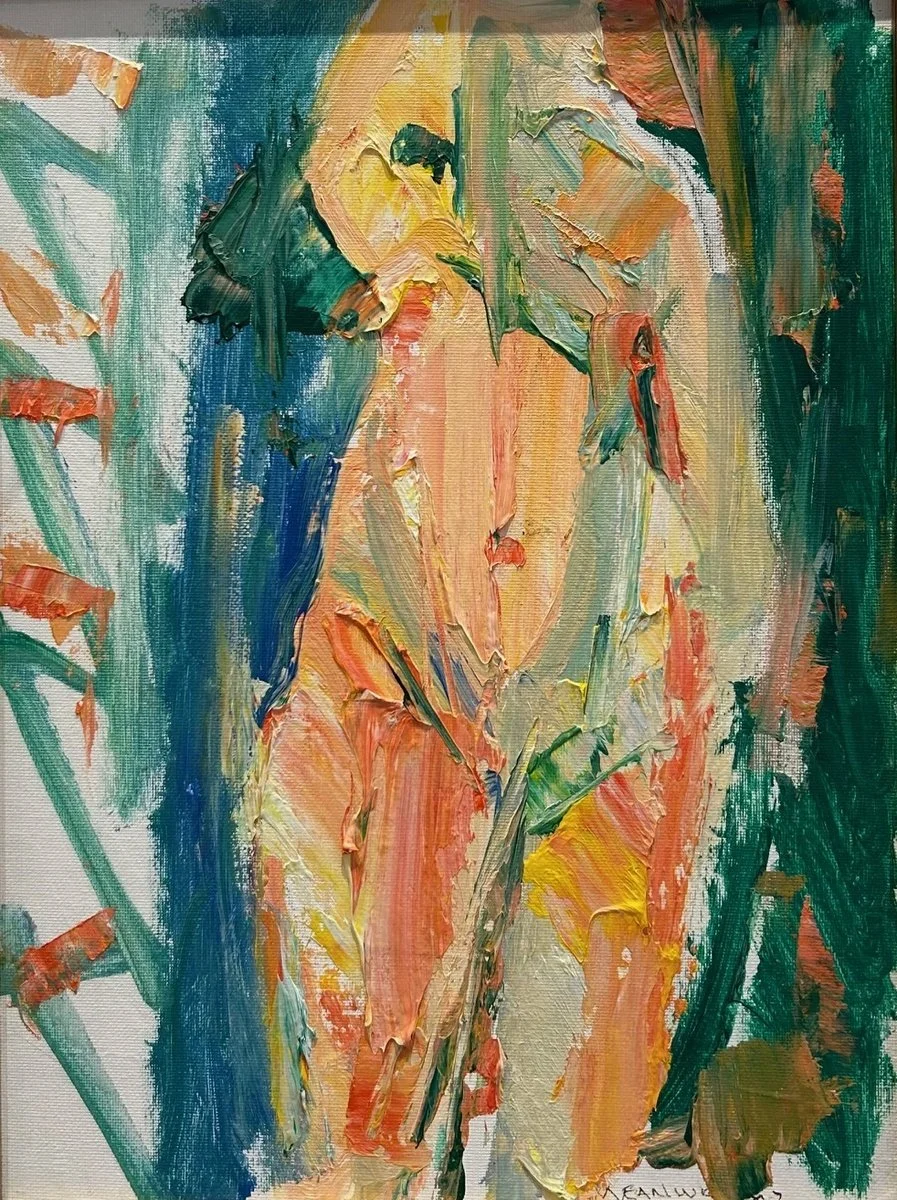
16 × 12 ″
Jack Meanwell (1919-2005) was born in Canada, and later moved to Northern Kentucky to begin teaching at the Art Academy of Cincinnati. He ran a studio consistently throughout his career, and became one of Cincinnati's most accomplished modern painters, known for his abstract expressionist landscapes and figurative work. To this day his art is featured in several collections, including the Cincinnati Art Museum, Marietta College, and the University of Windsor.
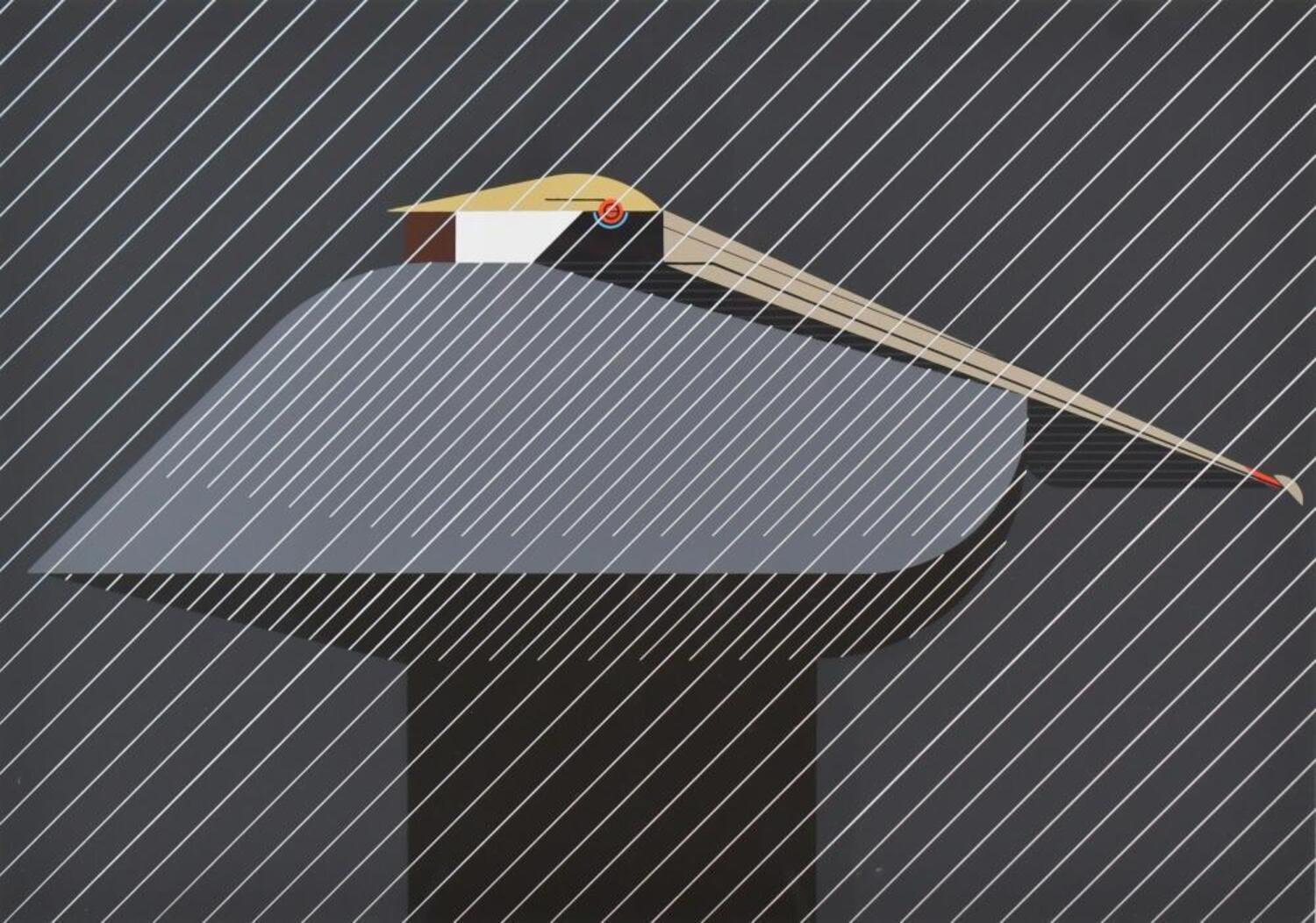
Serigraph
13 x 18.5 ″
498/1500
Charley Harper (1922–2007) was an American artist and illustrator known for his colorful, minimalist depictions of birds, animals, and nature. Based in Cincinnati, Ohio, Harper developed a distinctive style he called “minimal realism,” using simple geometric shapes, bold colors, and clean lines to capture the essence of wildlife. His work became especially influential in modern nature illustration and conservation art.
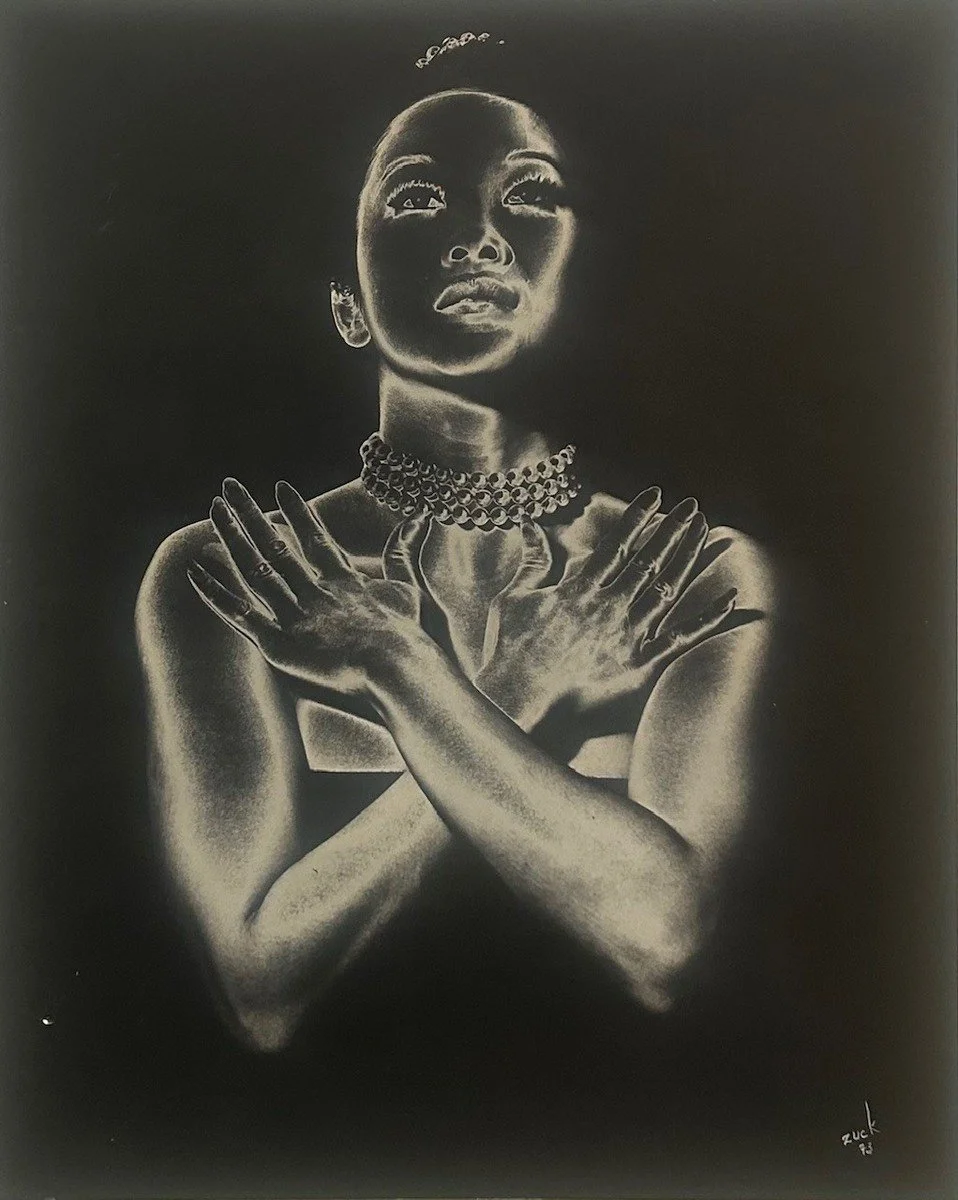
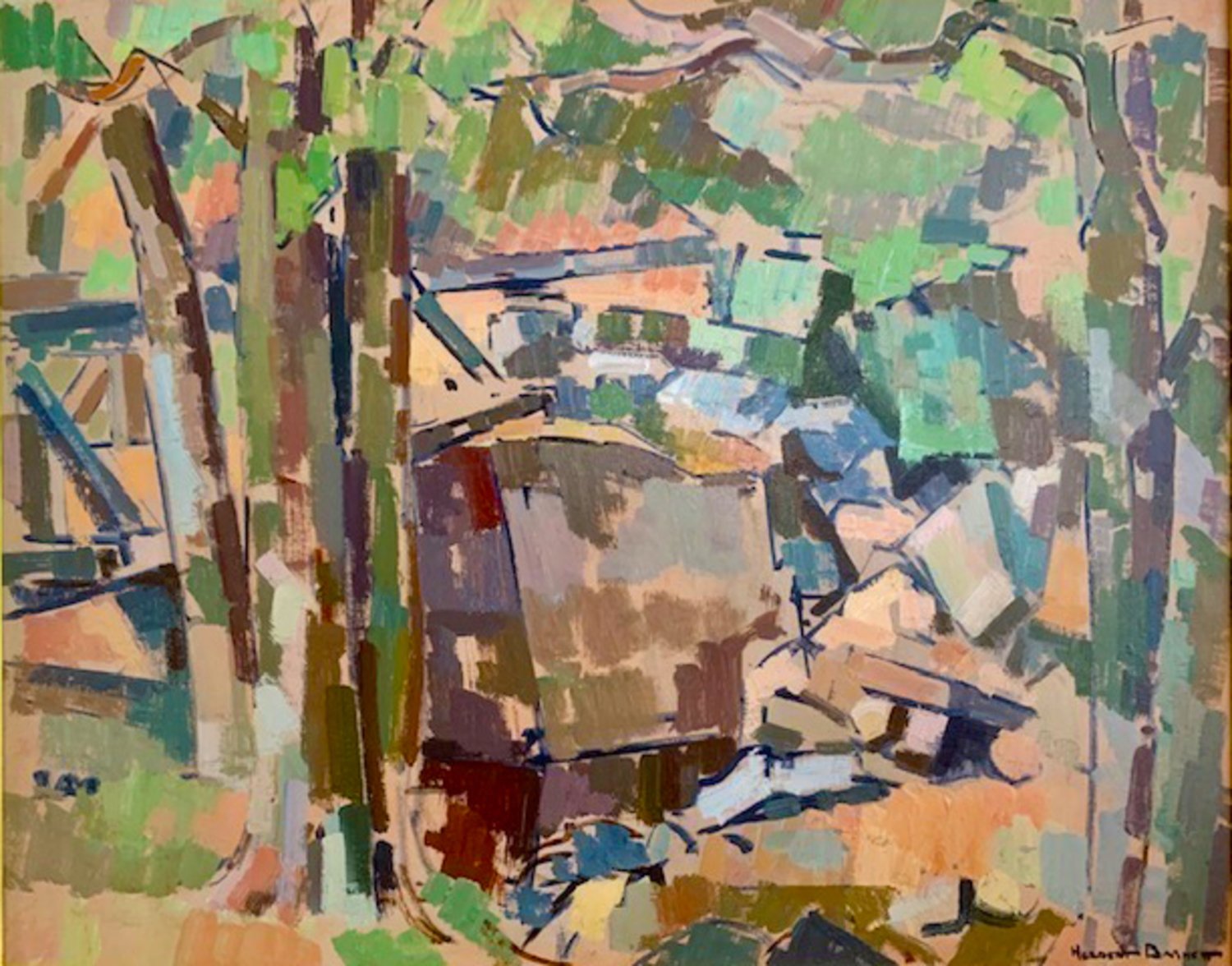
24 x 30 ″
Oil on masonite24 x 30 inchesFramedSigned: Herbert Barnett


22 x 25 ″
Acrylic on Board22” x 25.25"Framed Dimensions: 23” x 27”


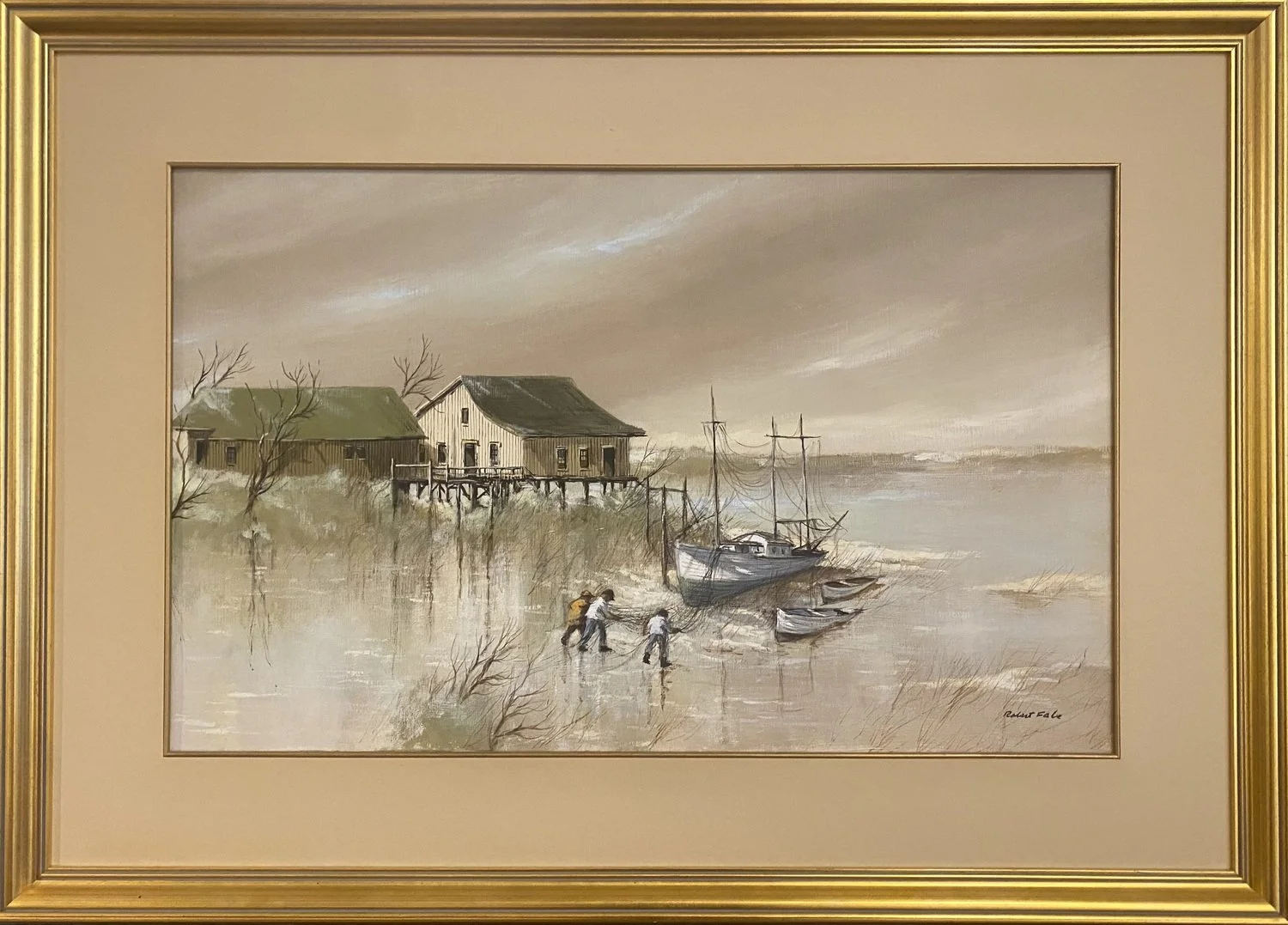
24.5 x 36.5 ″
Robert Fabe (1917-2004) was a Cincinnati artist best known for his paintings and murals. Fabe, a veteran of World War II, made many sketches during his time as a soldier, and his experiences added a new dimension and passionate quality to his work. After his discharge he taught fine art at the University of Cincinnati for 30 years, and his work remains a part of many public and private collections, including the Cincinnati Art Museum, to this day.

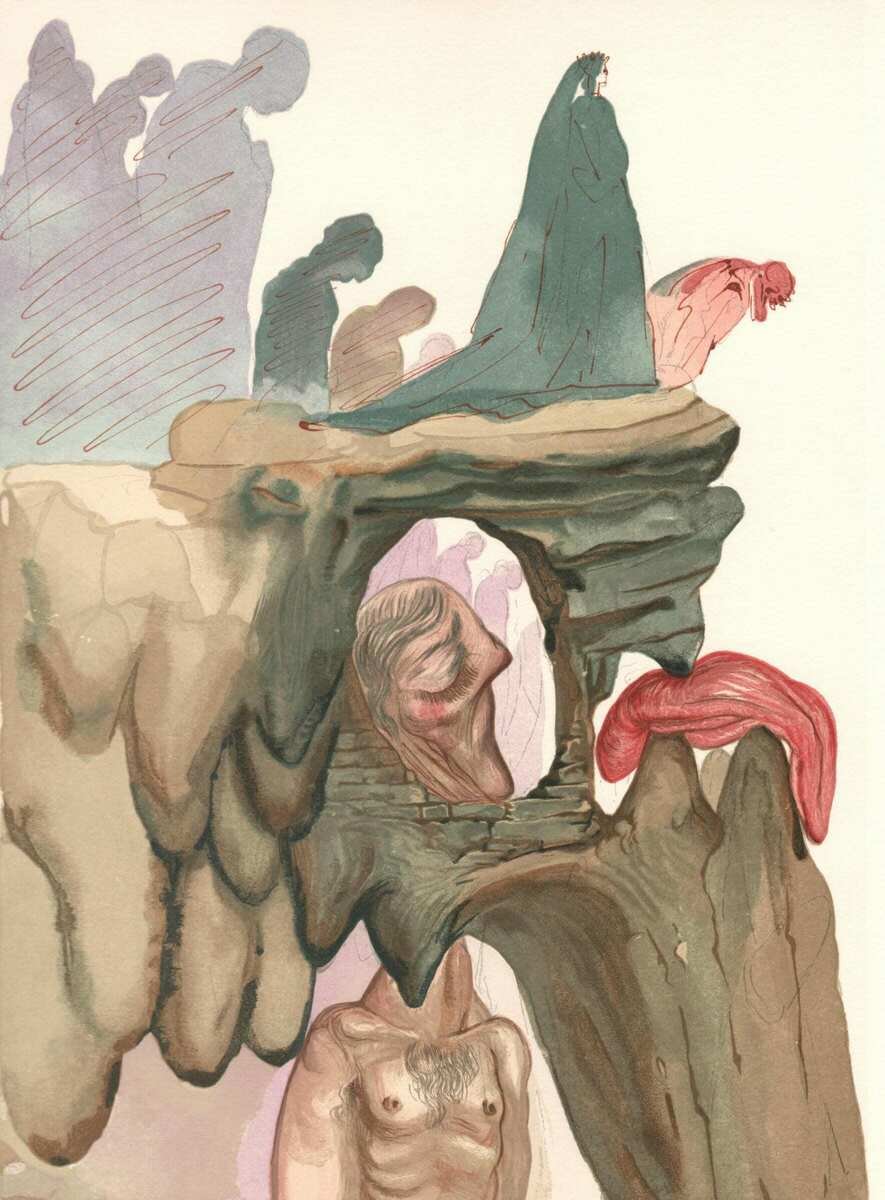
woodcut on paper
12 x 9 ″
The Corrupt (Hell: Canto 22), 1960-64
Salvador Dalí (1904–1989) was a Spanish painter, sculptor, writer, and filmmaker best known as one of the leading figures of the Surrealist movement. Born in Figueres, he became famous for his highly imaginative, dreamlike artworks filled with striking symbolism and meticulous detail.
Dalí was known not only for his artistic talent but also for his eccentric personality, dramatic public appearances, and distinctive curled mustache. His innovative style and lasting influence made him one of the most celebrated and recognizable artists of the 20th century.
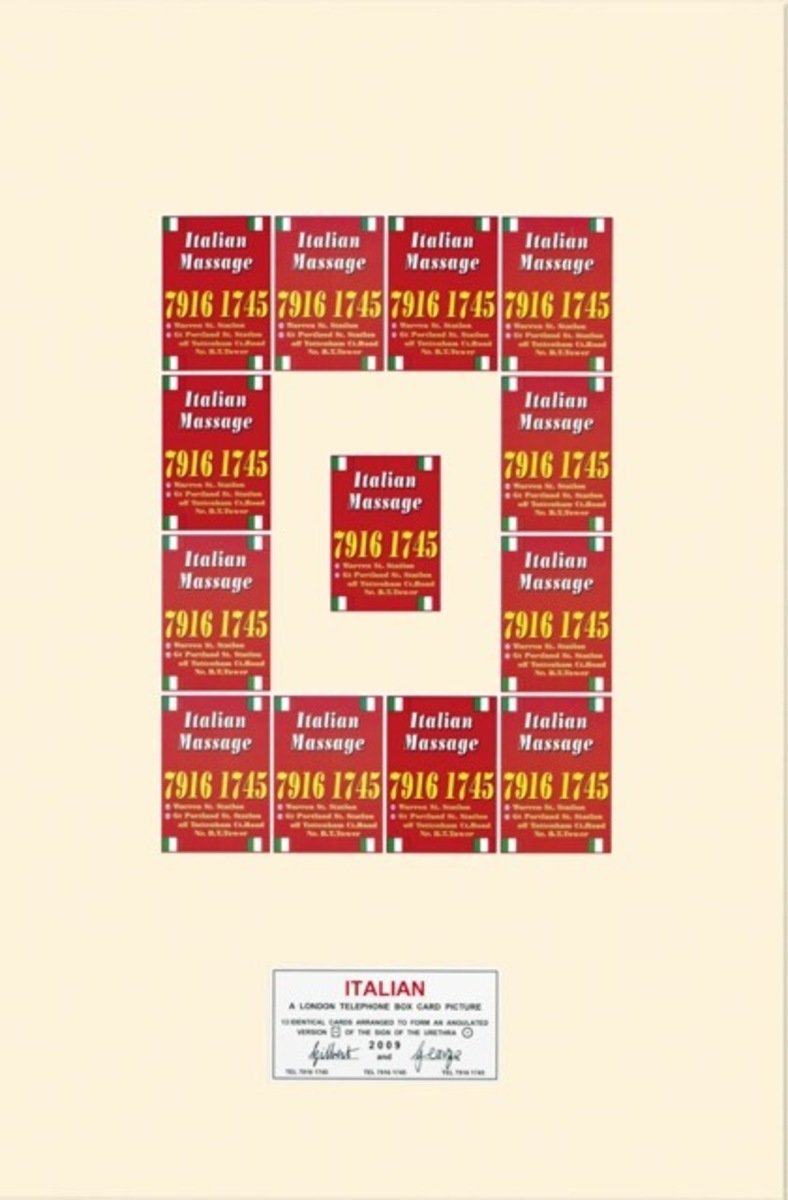
48.5 x 35.75 ″
From the series: LONDON TELEPHONE BOX CARD PICTURES
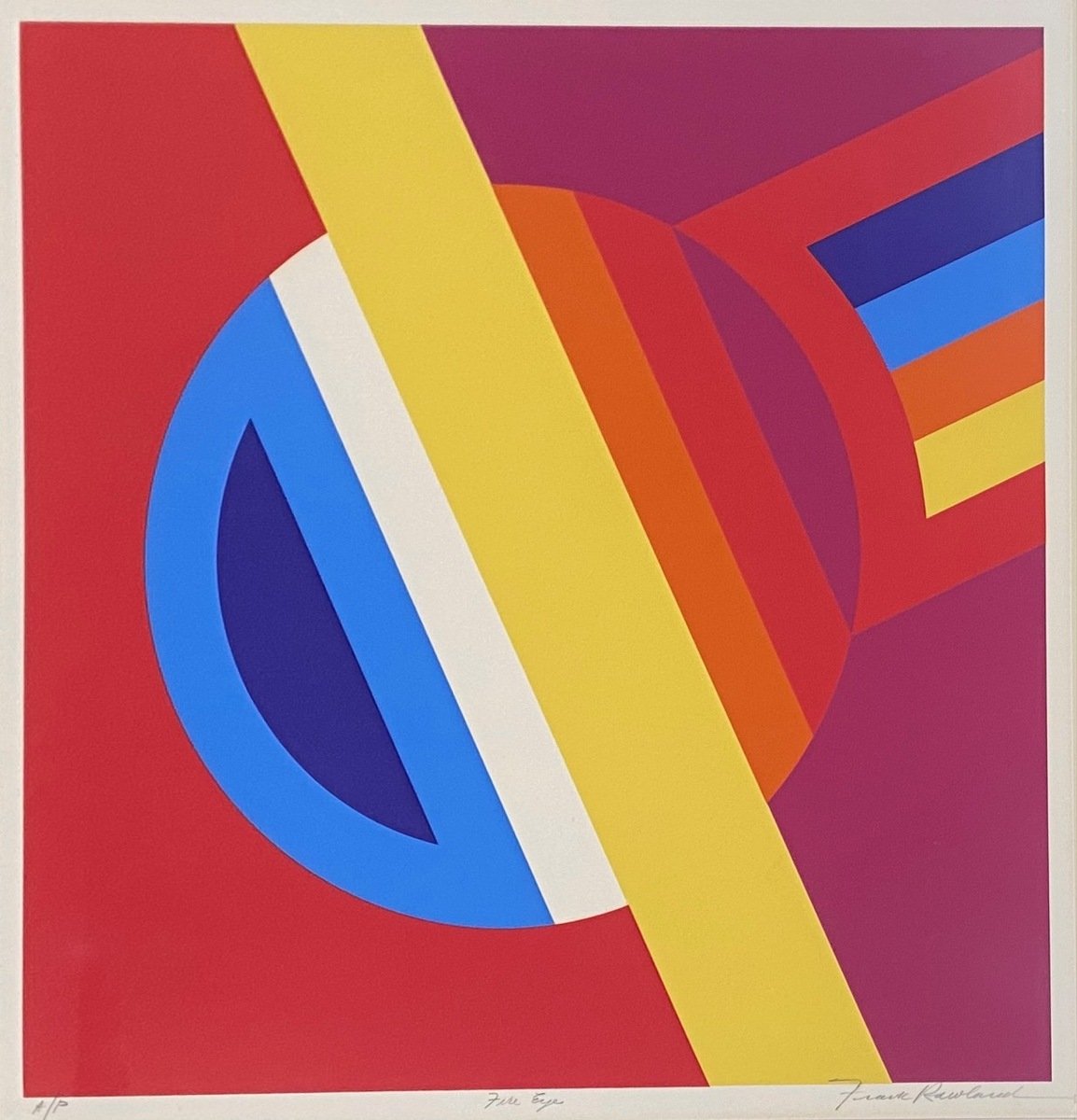
Screenprint
23 x 23 ″
Artist proof.
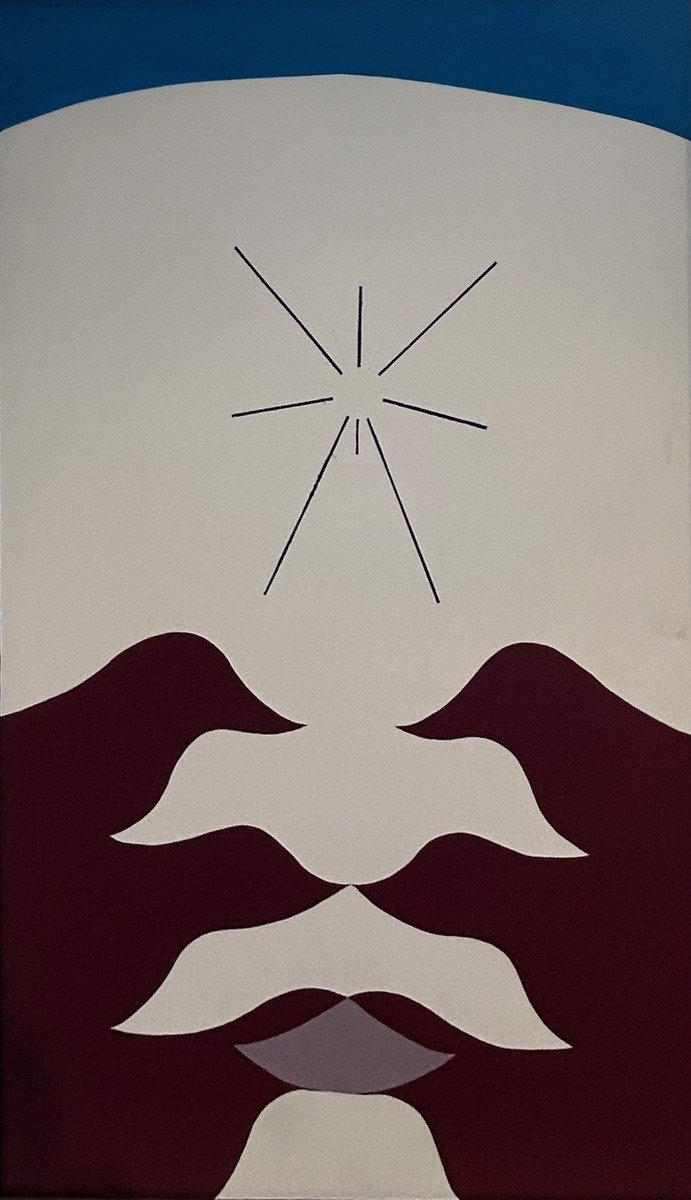
Frank Rowland (1927–2012) was an American artist, master printer, and designer known for his work in painting, printmaking, illustration, photography, and industrial design. Born in Altoona, Pennsylvania, he studied art in Pittsburgh and Chicago before building a diverse career that included architecture, film set design, museum exhibitions, and commercial art. Rowland was especially recognized for his expertise in fine-art serigraphy (silkscreen printing), producing prints for prominent artists while also creating his own abstract and geometric works. His art is noted for its bold use of color, form, and visual experimentation.
24.5 x 18 ″
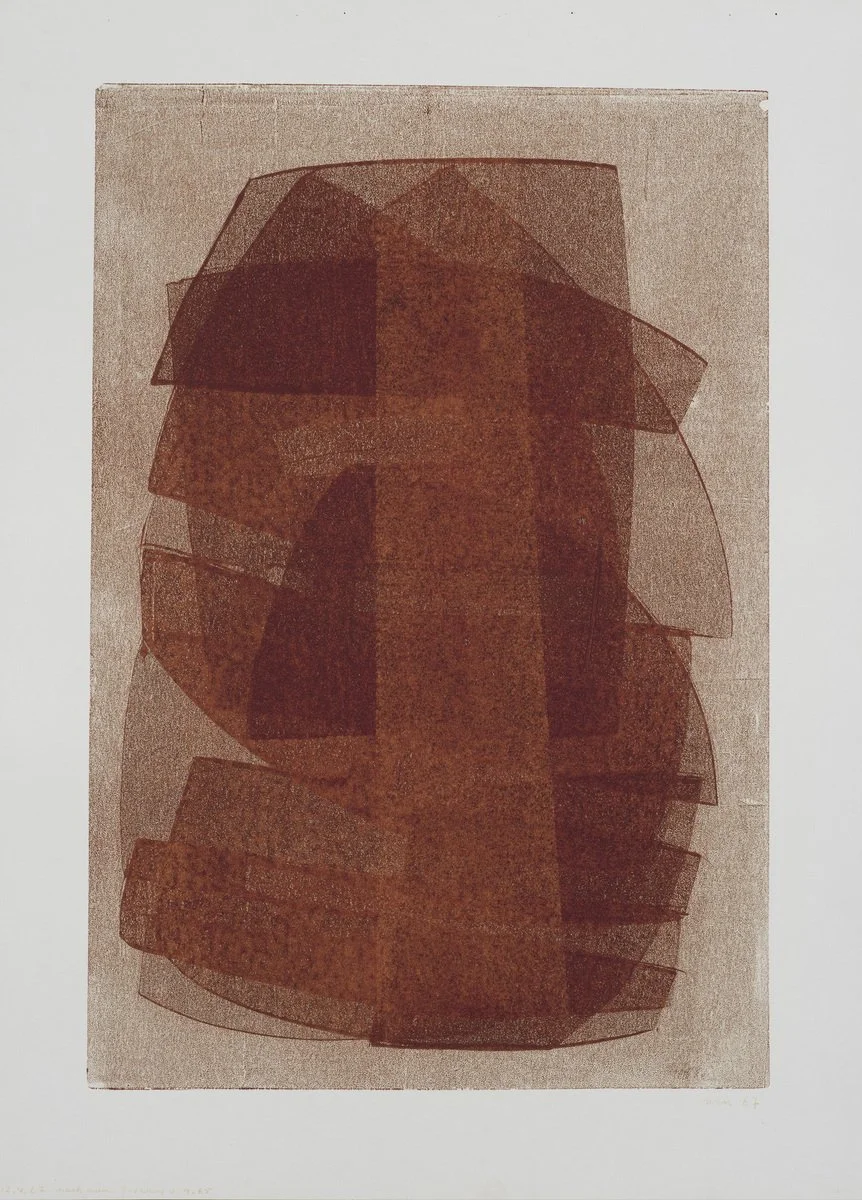
Otto Neumann (1895-1975) was a German expressionist painter and printmaker. Neumann made work based on the human form and his own literary interests, including Dante's Inferno, African fairy tales, and the Passion of Christ. During the Nazi regime, Neumann's work was labeled as "degenerate"; his refusal to divorce his Jewish wife, Hilde (whose family later fled the country) further hurt his prospects. After the war he still took an interest with the subjects of classical antiquity and myth, but never returned to the medium of oil or watercolor. He became depressed and reliant on medication, and eventually self-admitted to a sanitarium, but continued to work. It was only a year after Hilde's death in 1970 that he stopped producing work entirely. Many artists that were young during the later part of Neumann's career drew inspiration from and identified with his highly abstracted forms. Much of Neumann's earlier work, on the other hand, would have been destroyed by the artist himself had it not been for Hilde taking and storing them. It is thanks to her that, to this day, some of his early work is still known and regarded highly.
17.5 x 24.5 ″
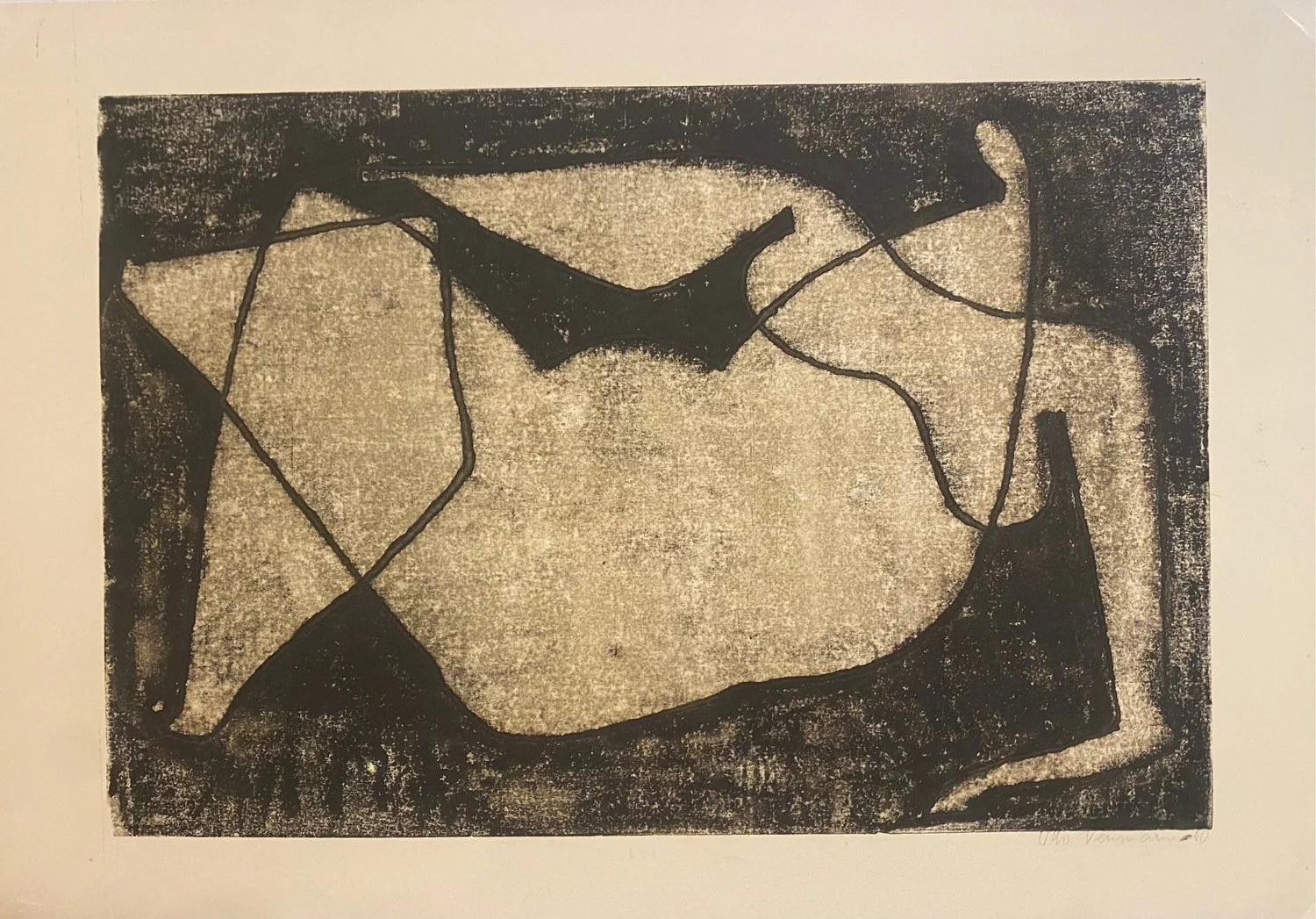
Otto Neumann (1895-1975) was a German expressionist painter and printmaker. Neumann made work based on the human form and his own literary interests, including Dante's Inferno, African fairy tales, and the Passion of Christ. During the Nazi regime, Neumann's work was labeled as "degenerate"; his refusal to divorce his Jewish wife, Hilde (whose family later fled the country) further hurt his prospects. After the war he still took an interest with the subjects of classical antiquity and myth, but never returned to the medium of oil or watercolor. He became depressed and reliant on medication, and eventually self-admitted to a sanitarium, but continued to work. It was only a year after Hilde's death in 1970 that he stopped producing work entirely. Many artists that were young during the later part of Neumann's career drew inspiration from and identified with his highly abstracted forms. Much of Neumann's earlier work, on the other hand, would have been destroyed by the artist himself had it not been for Hilde taking and storing them. It is thanks to her that, to this day, some of his early work is still known and regarded highly.
24 x 17 ″
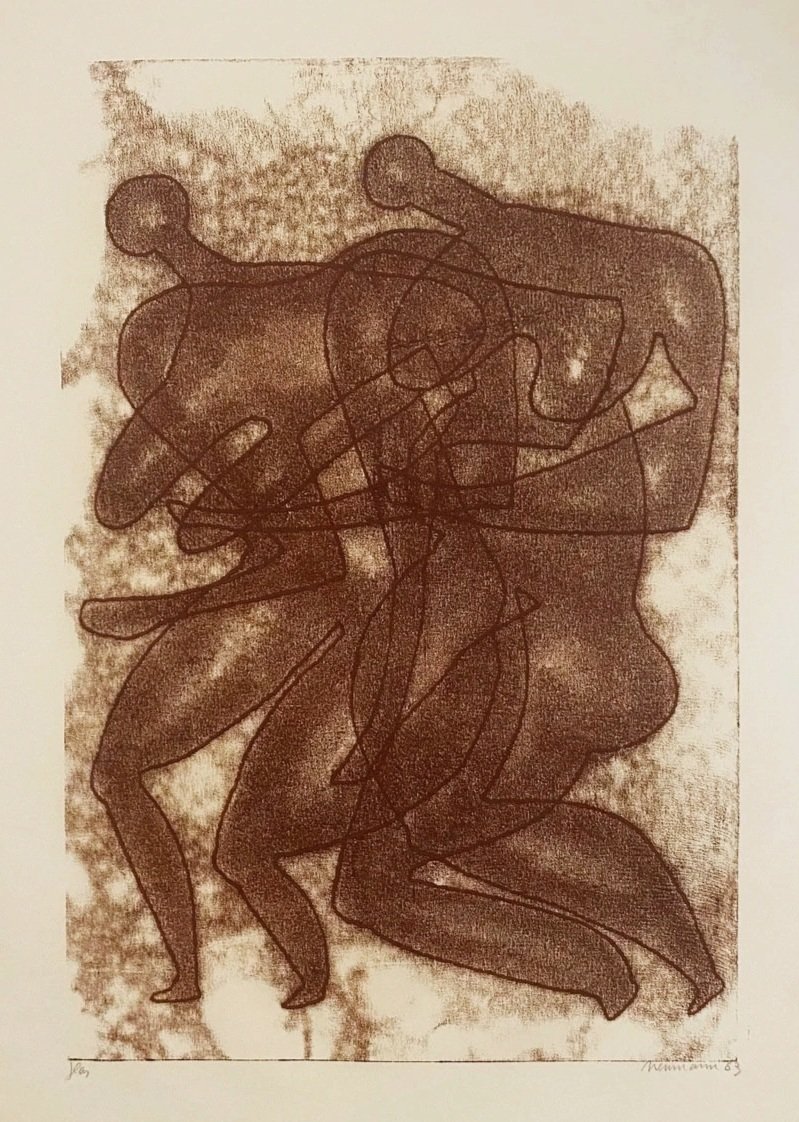
Otto Neumann (1895-1975) was a German expressionist painter and printmaker. Neumann made work based on the human form and his own literary interests, including Dante's Inferno, African fairy tales, and the Passion of Christ. During the Nazi regime, Neumann's work was labeled as "degenerate"; his refusal to divorce his Jewish wife, Hilde (whose family later fled the country) further hurt his prospects. After the war he still took an interest with the subjects of classical antiquity and myth, but never returned to the medium of oil or watercolor. He became depressed and reliant on medication, and eventually self-admitted to a sanitarium, but continued to work. It was only a year after Hilde's death in 1970 that he stopped producing work entirely. Many artists that were young during the later part of Neumann's career drew inspiration from and identified with his highly abstracted forms. Much of Neumann's earlier work, on the other hand, would have been destroyed by the artist himself had it not been for Hilde taking and storing them. It is thanks to her that, to this day, some of his early work is still known and regarded highly.
23.5 x 35 ″
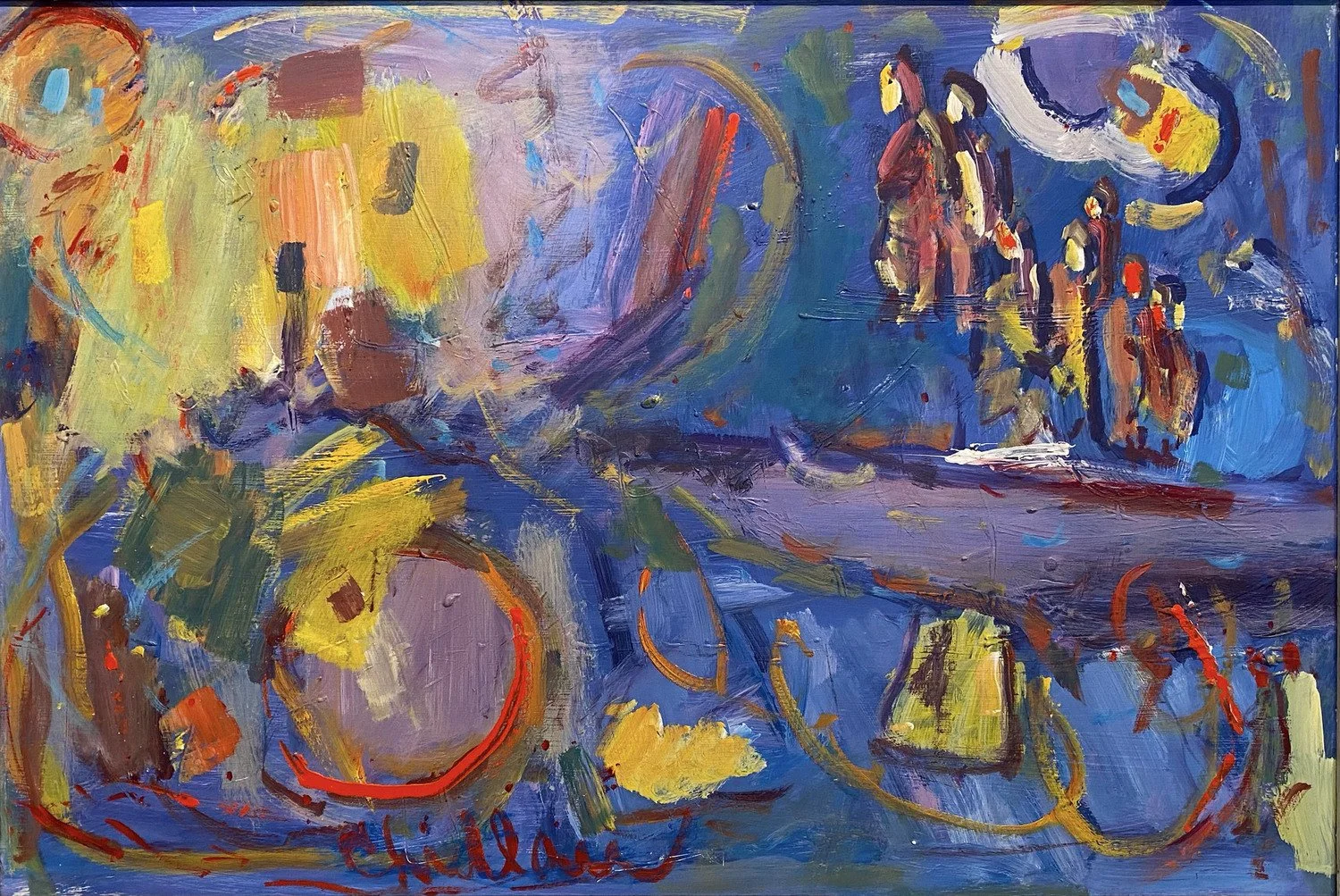
Oil on board 23.5 x 35 inches Framed Signed: Chidlaw