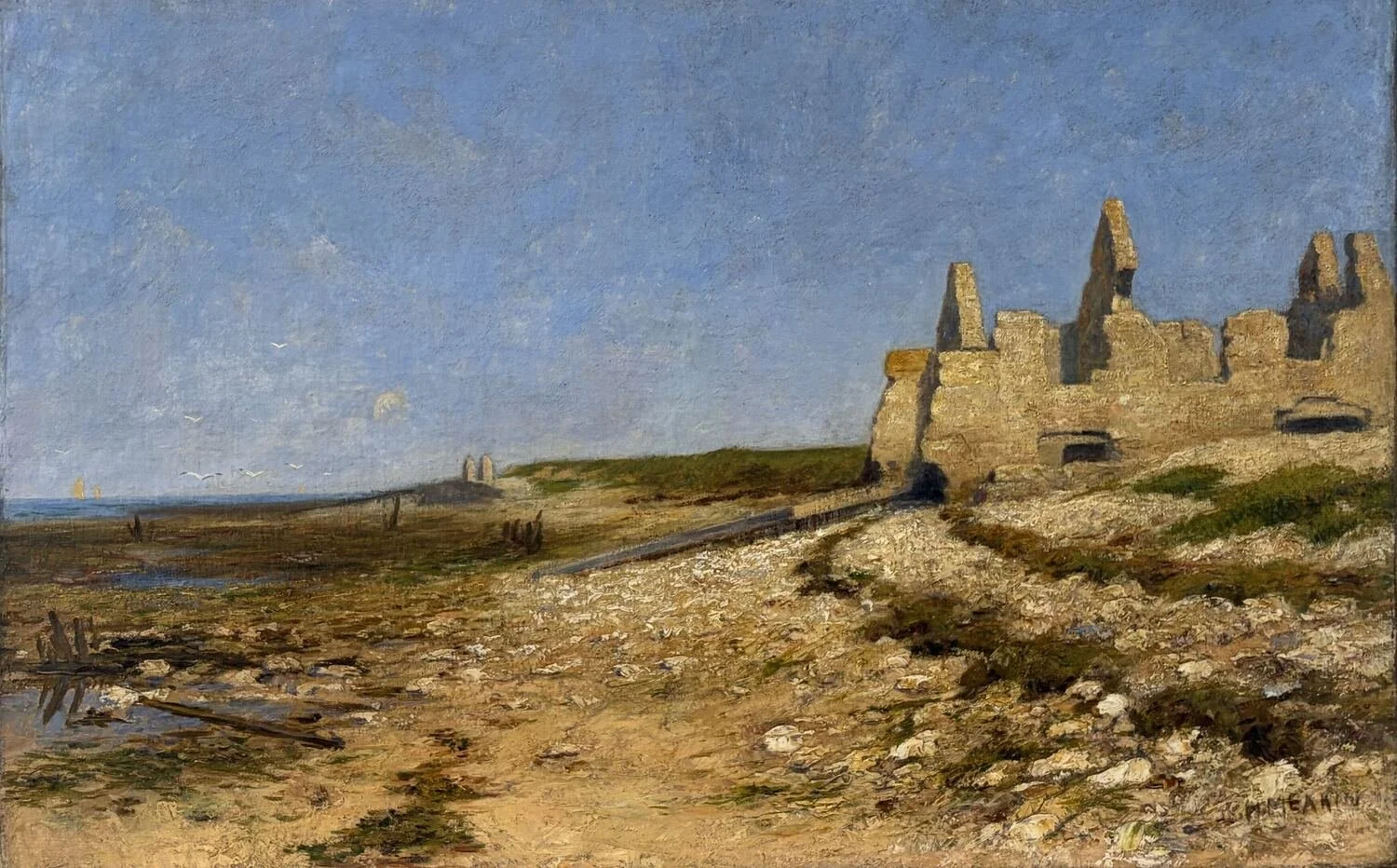
Oil on Canvas
21 × 33 ″
In 1893–1894, Cincinnati artist Lewis Henry Meakin spent a year studying and painting in France alongside American landscape painter William Lamb Picknell. The two worked along the Normandy coast and in southern France, while Meakin also spent time at Moret-sur-Loing, where he worked with French Impressionist Alfred Sisley.
This painting depicts a stretch of Normandy's coastline, with the remains of a medieval stone structure overlooking the beach. Meakin contrasts the warm tones of the weathered masonry and rocky shoreline with the cool blues of the sea and sky. His Impressionistic approach emerges in the broken brushwork of the foreground, where short strokes of ochre, green, and gray suggest shimmering sand, scattered stones, and coastal vegetation. Rather than defining individual forms, Meakin allows color and texture to establish the landscape. The diagonal path draws the viewer into the composition, while the diminishing scale of the distant shoreline creates a sense of expansive space beneath the open sky.
Painted fifty years before the Allied invasion of Normandy on June 6, 1944, the work records a landscape before its transformation during World War II. German occupation forces constructed extensive coastal defenses as part of the Atlantic Wall, altering portions of the shoreline and destroying historic structures in the process.



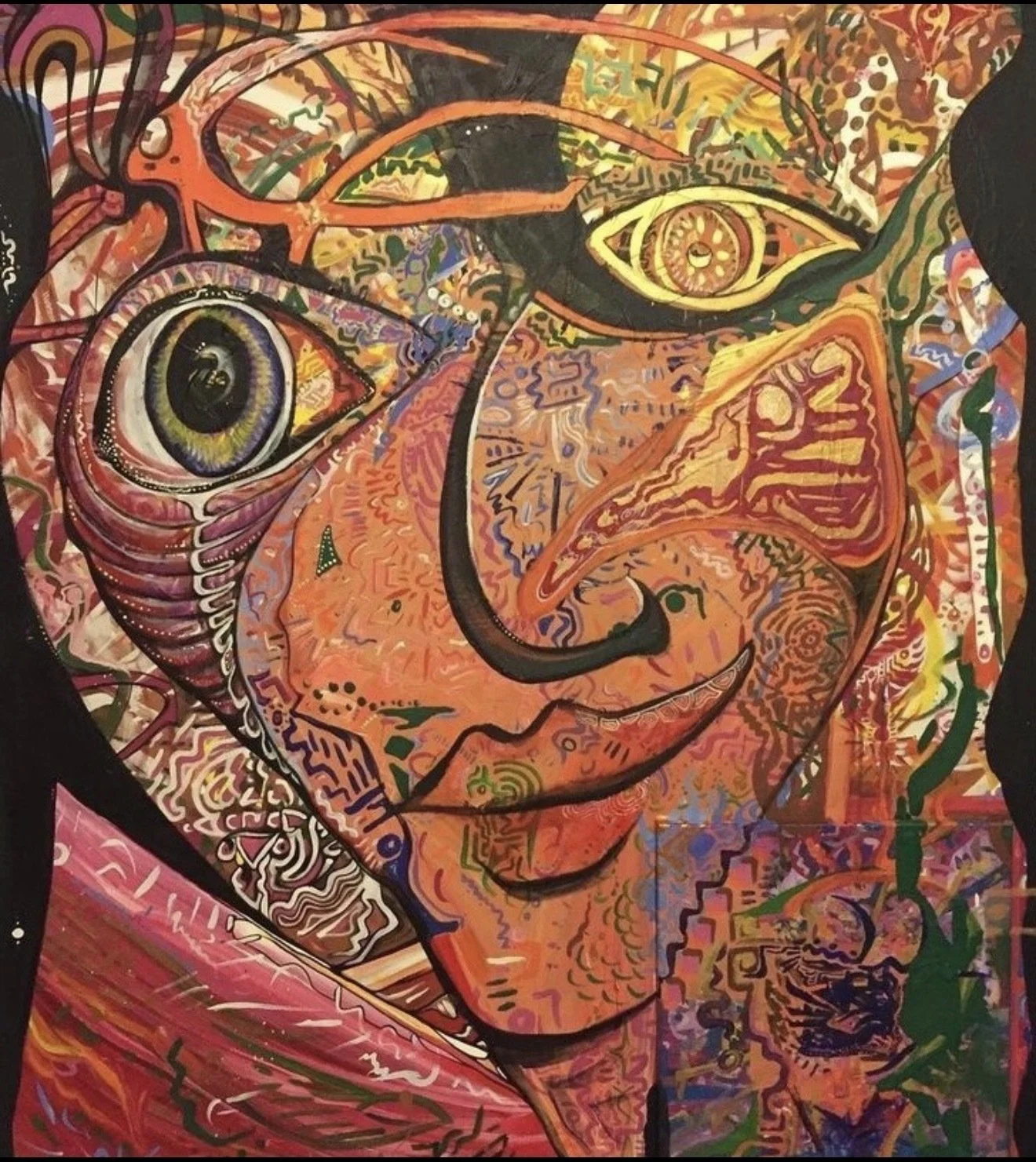
60 in. x 48 in.
Acrylic on canvas
2022
In Electric Prayer, Stephen Hutchinson, in collaboration with Casey Arden, builds the human figure through an electric interplay of color, pattern, and line. Layers of intricate marks move across the surface, dissolving the boundaries between figure and abstraction. Vibrant oranges, reds, greens, and yellows pulse against areas of deep black, creating a sense of visual energy and rhythm. Together, Hutchinson and Arden use pattern as more than decoration, transforming the figure into a dense, expressive landscape that rewards close looking.
PRICE ON REQUEST
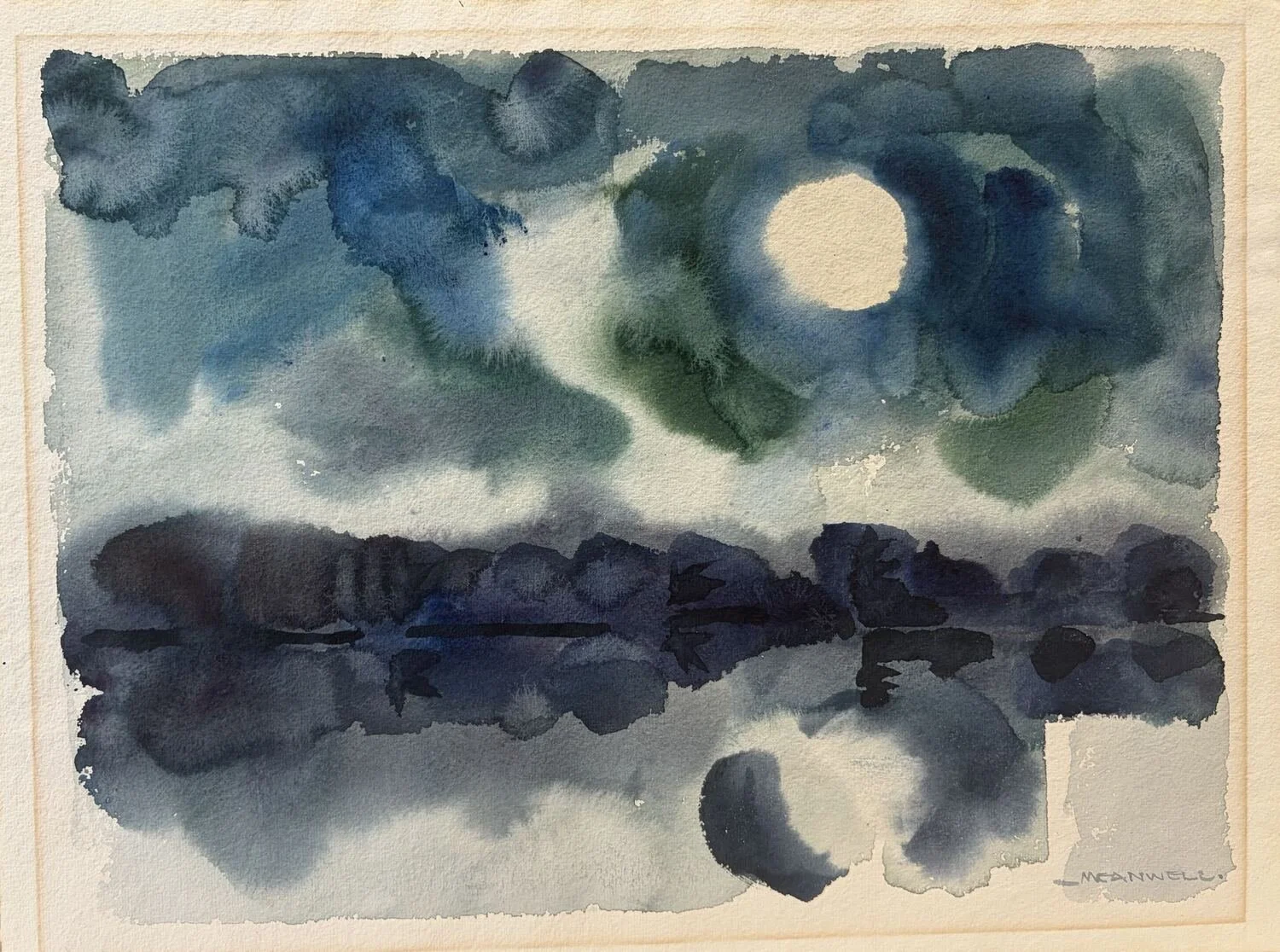
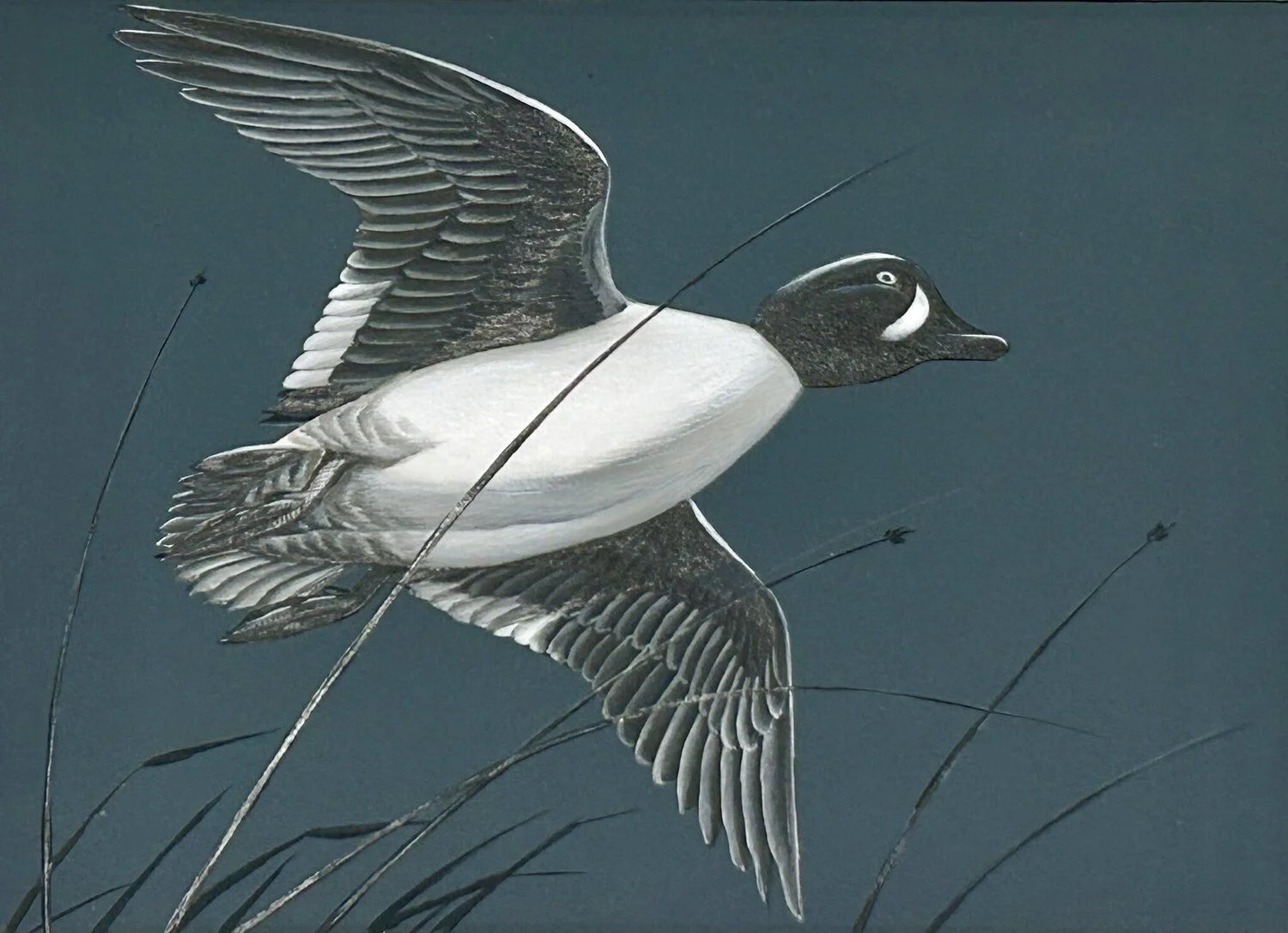
7 × 10 ″
Originally painted for John and Bill Zimmerman's Field Guide to Wildfowl but was not included.

17.5 x 23.5 ″
Published by A.C. Mazo et Cie (ed. of 350) Printed by Frenand Mourlot From the folio of 12 lithographs: Les Enfants Trouves (The Found Child)
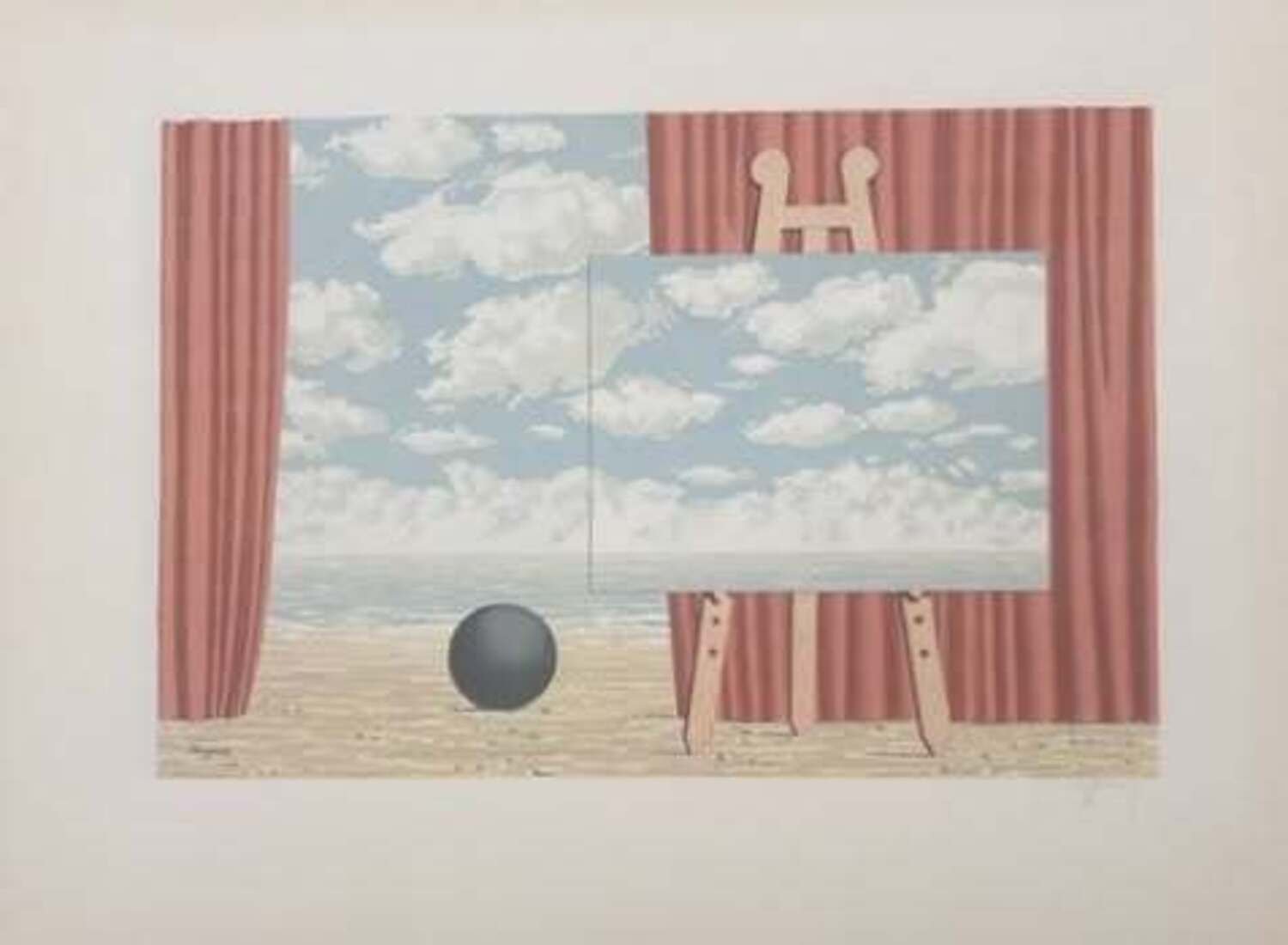
17.5 x 23.5 ″
Published by A.C. Mazo et Cie (ed. of 350) Printed by Frenand Mourlot


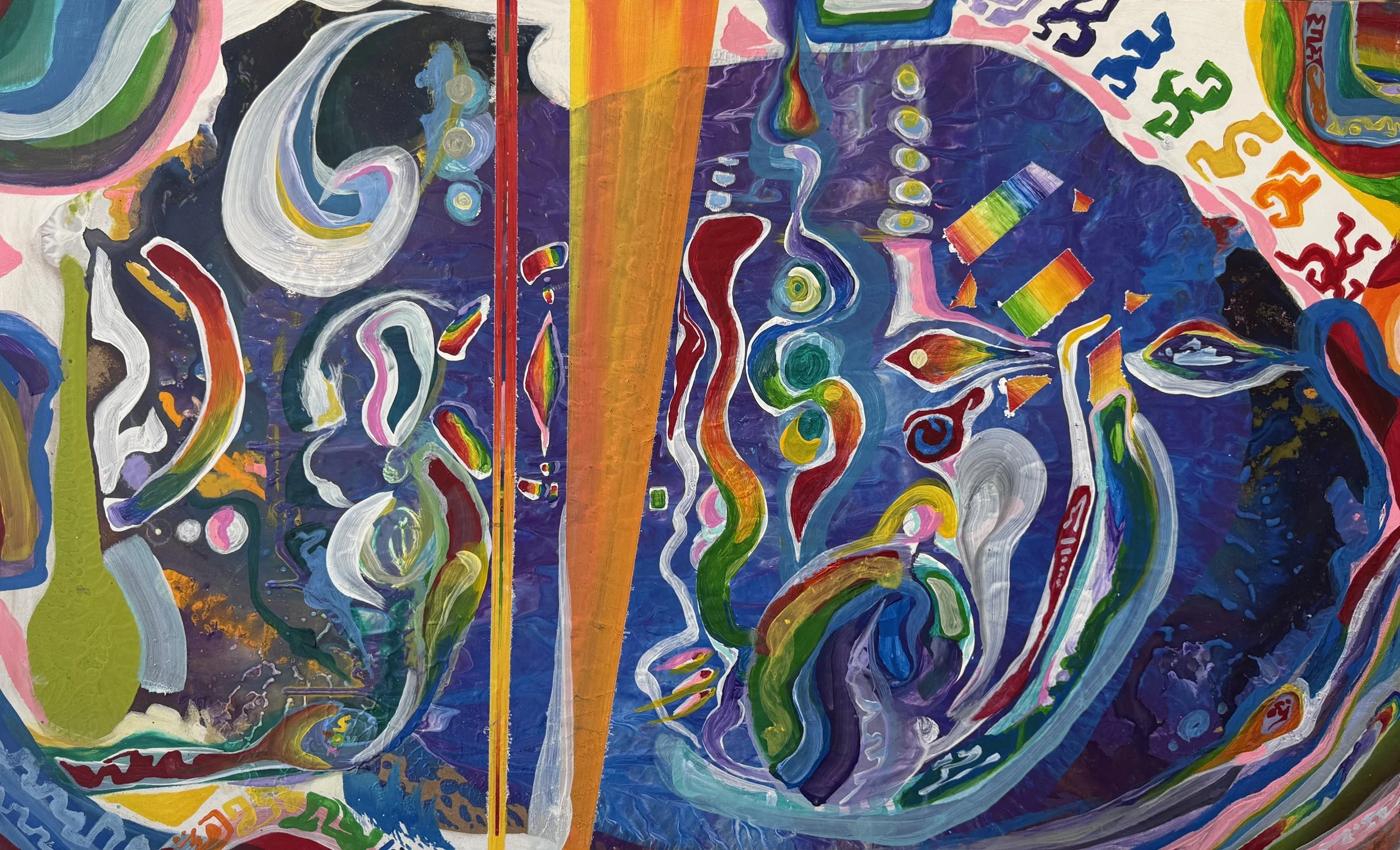
23.25 in. x 38.25 in.
Acrylic on canvas
2026
Fragments of Infinity 3,3 is a dense, energetic exploration of color, movement, and repetition. Hutchinson fills the surface with looping contours, floating symbols, layered passages, and small bursts of saturated color that seem to drift through a deep blue field. Forms appear to emerge, dissolve, and reappear, giving the composition the feeling of a constantly changing visual system.
The painting moves between order and improvisation. Repeated curves, circles, stripes, and geometric fragments create internal rhythms, while the large vertical divisions provide structure within the otherwise fluid composition. Bright oranges, greens, reds, pinks, and whites push forward against cooler blues and purples, creating a sense of depth and motion.
In Fragments of Infinity 3,3, pattern becomes a way of suggesting something larger than the individual image. The repeated forms feel like pieces of an endless visual language, connected but never fully resolved, allowing the painting to remain open, expansive, and continually in motion.
PRICE ON REQUEST

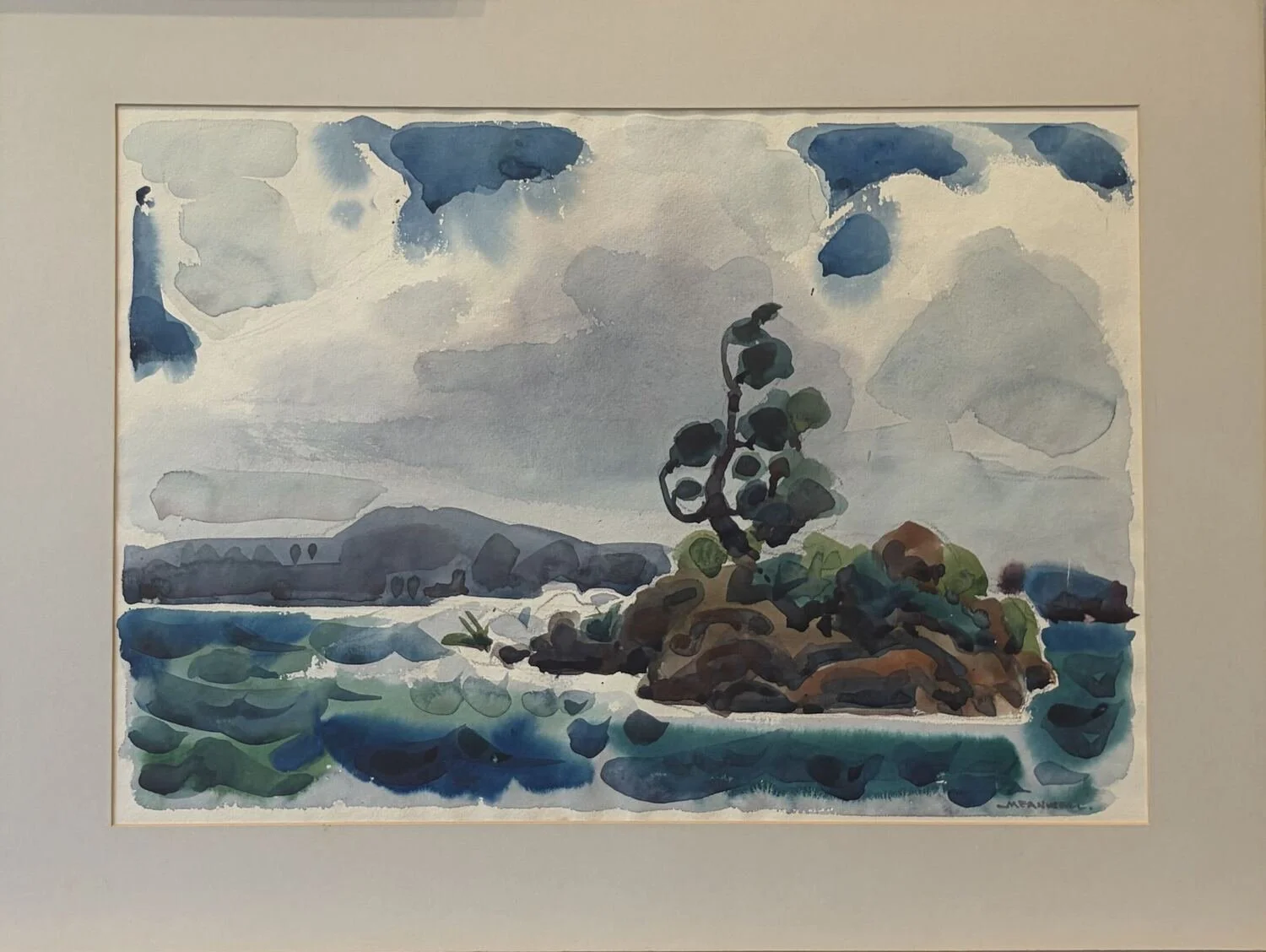

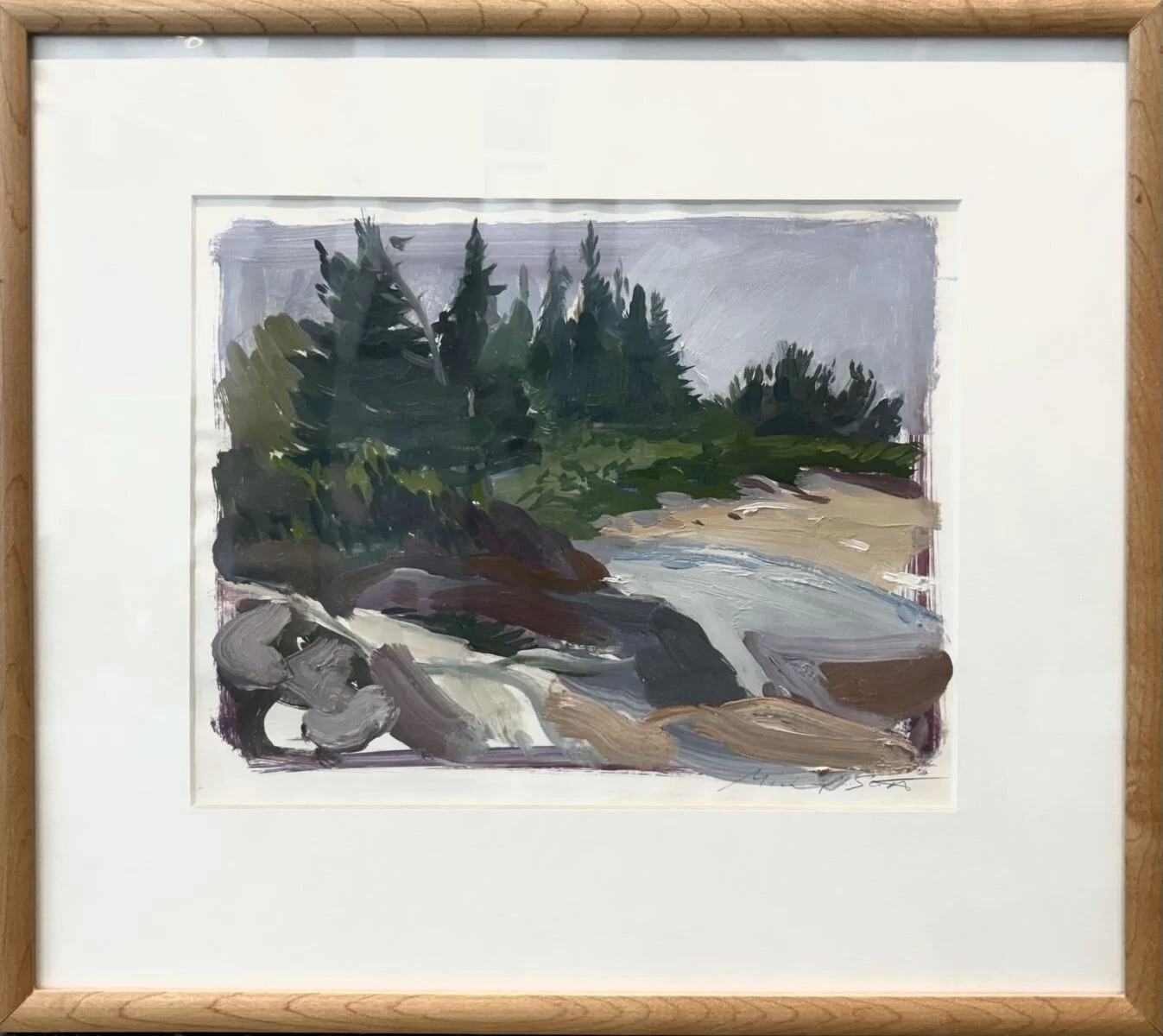
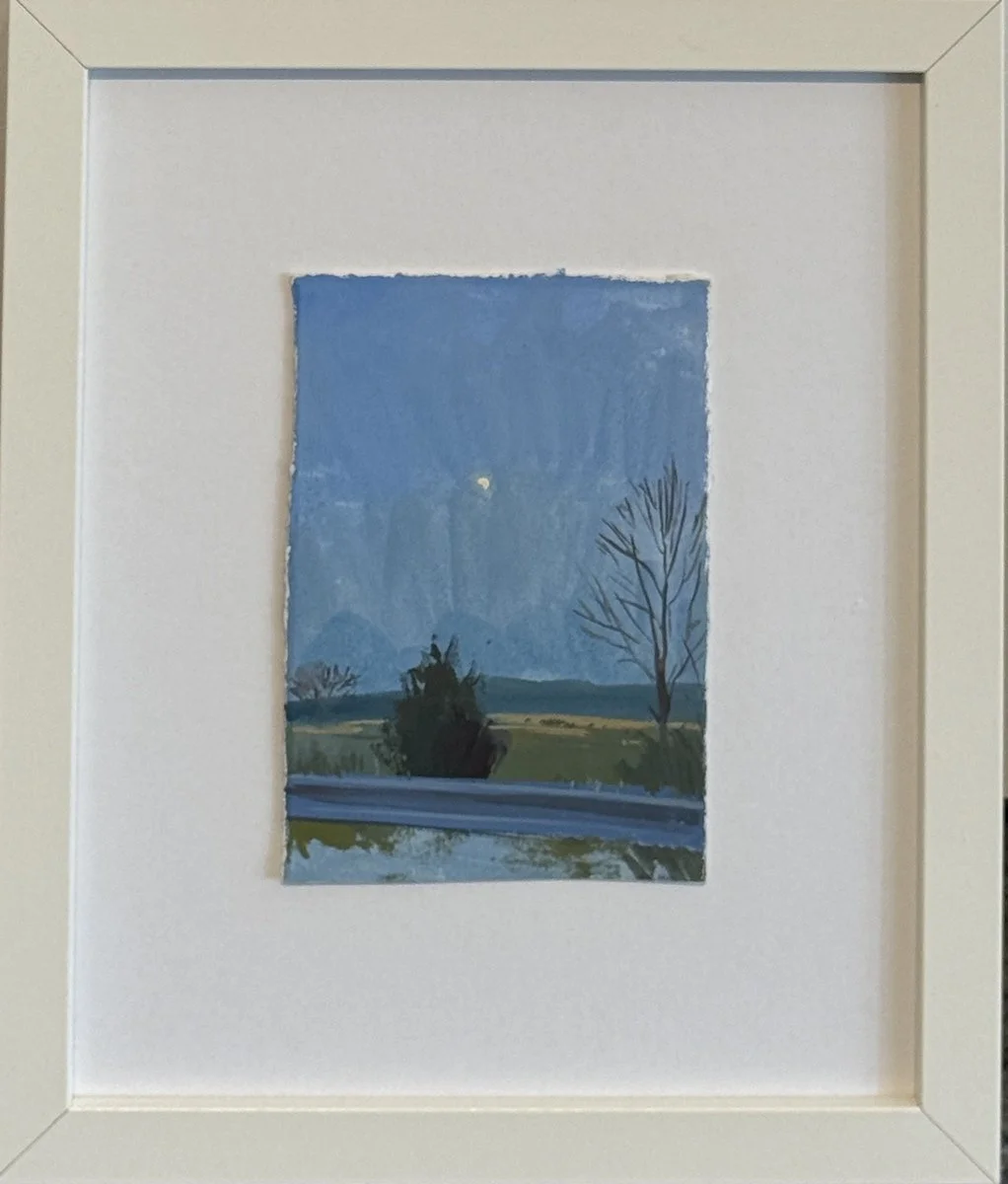
8 × 10 ″
Possibly a study for one of Scott's large landscape paintings.
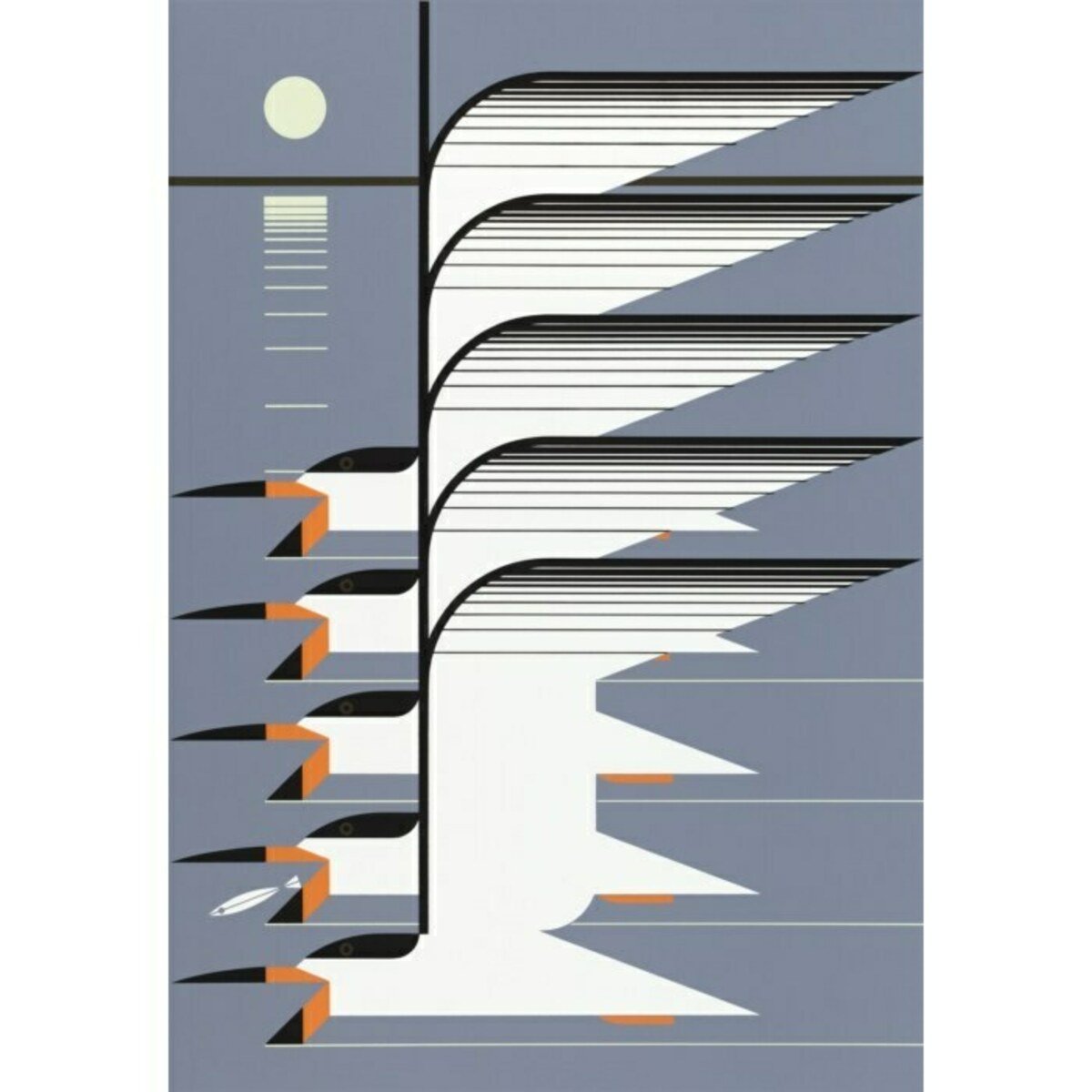
Limited Edition Serigraph
25 x 18 ″
1308/2000
Charley Harper (1922–2007) was an American artist and illustrator known for his colorful, minimalist depictions of birds, animals, and nature. Based in Cincinnati, Ohio, Harper developed a distinctive style he called “minimal realism,” using simple geometric shapes, bold colors, and clean lines to capture the essence of wildlife. His work became especially influential in modern nature illustration and conservation art.
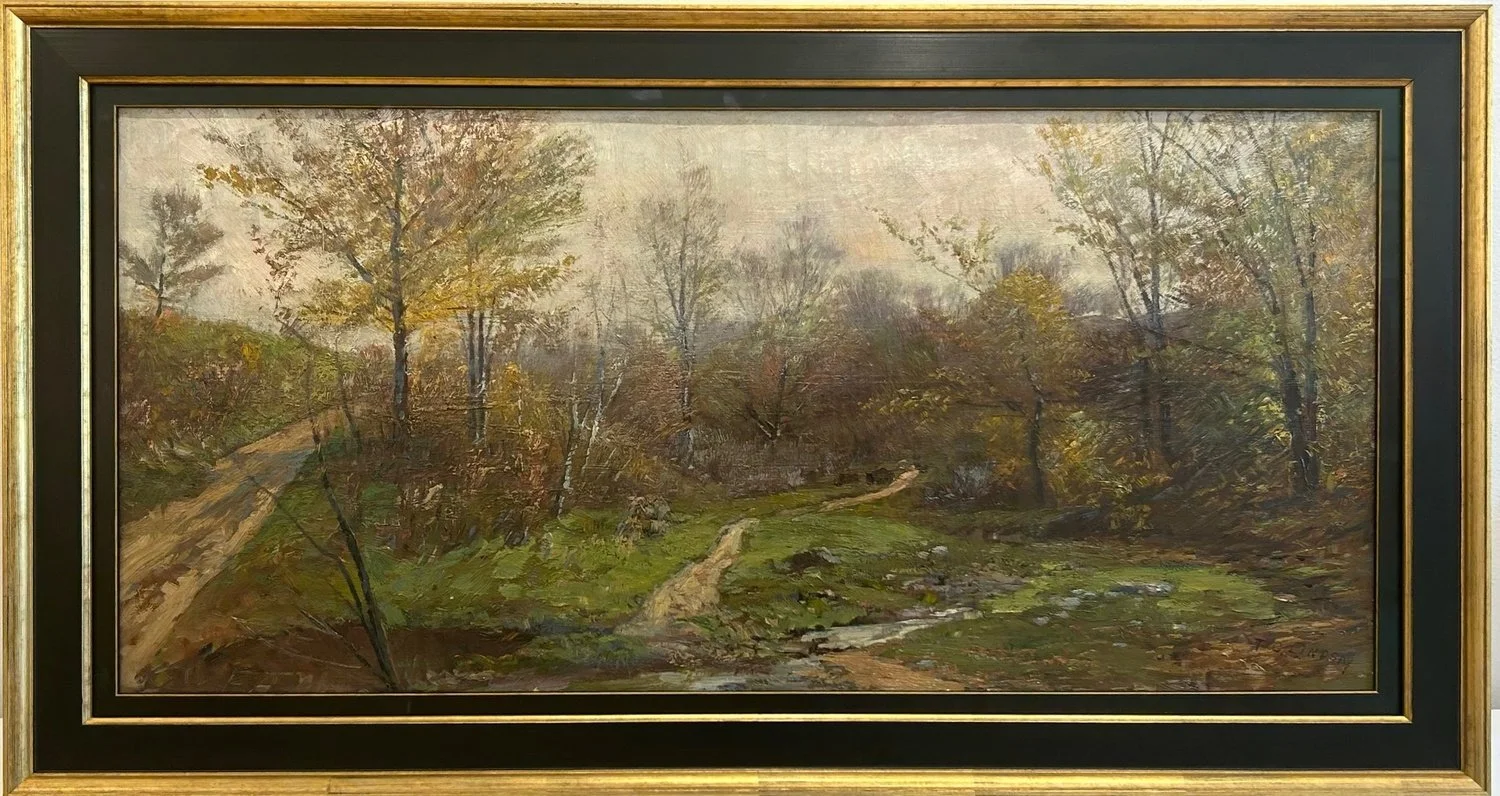
15.75 x 34 ″
Thomas Corwin Lindsay (1845–1907) was a notable American landscape painter associated with the Cincinnati art community during the late nineteenth century. Trained in both the United States and Europe, Lindsay developed a refined approach to landscape painting that reflected the influence of the Hudson River School and European Romanticism. His compositions often emphasized natural serenity, atmospheric light, and an idealized vision of the American countryside. As a member of Cincinnati’s burgeoning art scene, Lindsay contributed to the region’s cultural identity through his teaching and exhibitions.
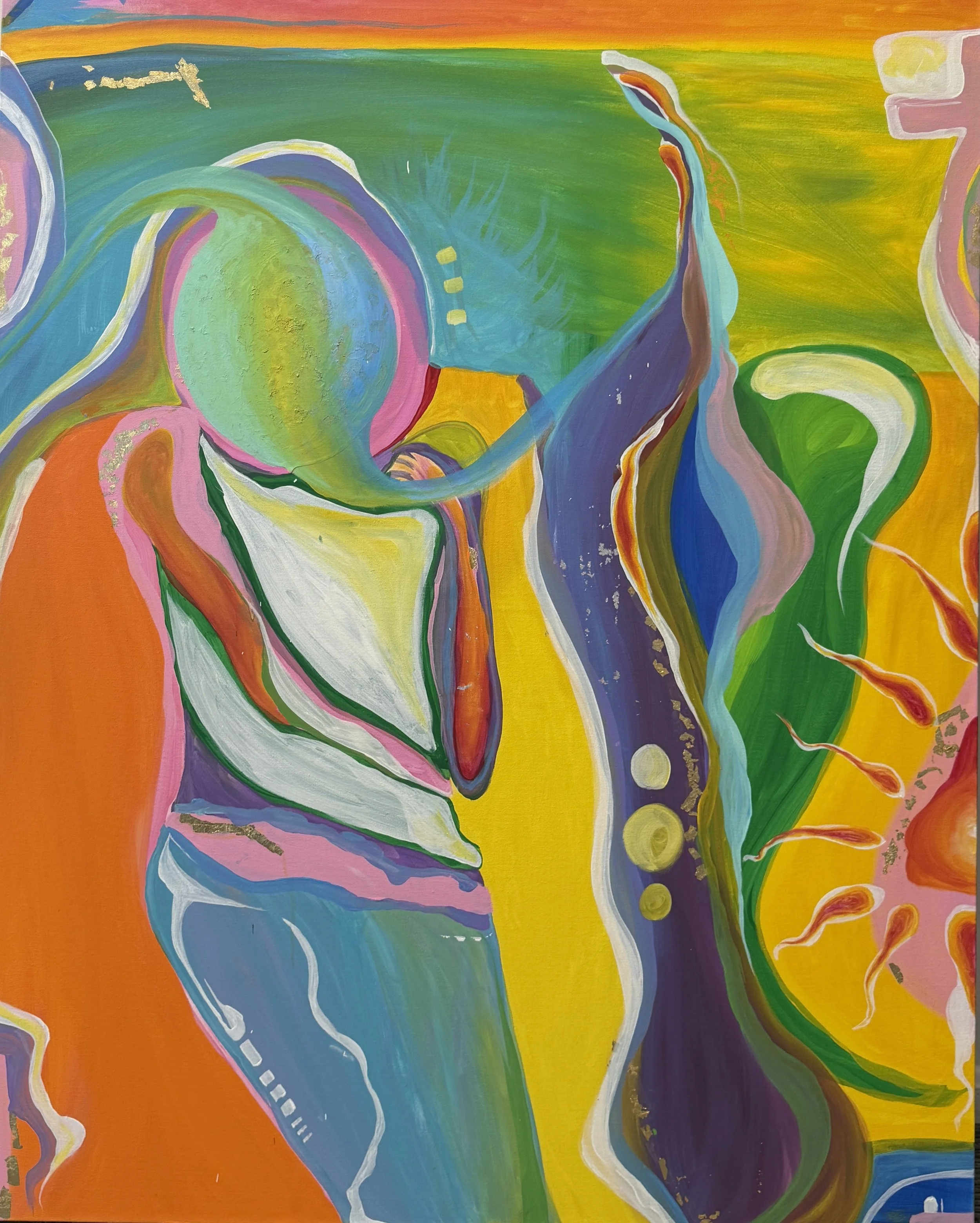
60 in. x 48 in.
Acrylic on canvas
2022
She Remembered the Sun unfolds through sweeping, organic forms and saturated color. Curving passages of orange, yellow, green, blue, violet, and pink move across the surface like fragments of memory, at once bodily, botanical, and abstract. Hutchinson uses layered contours and repeated patterns to create a sense of movement, while touches of metallic gold punctuate the composition and catch the light.
Rather than describing a specific place or figure, the painting suggests the sensation of remembering warmth itself. Forms seem to stretch, bend, and turn toward the surrounding fields of yellow and orange, giving the work an almost solar energy. She Remembered the Sun transforms color and pattern into an emotional landscape, where memory is experienced through rhythm, movement, and light.
PRICE ON REQUEST
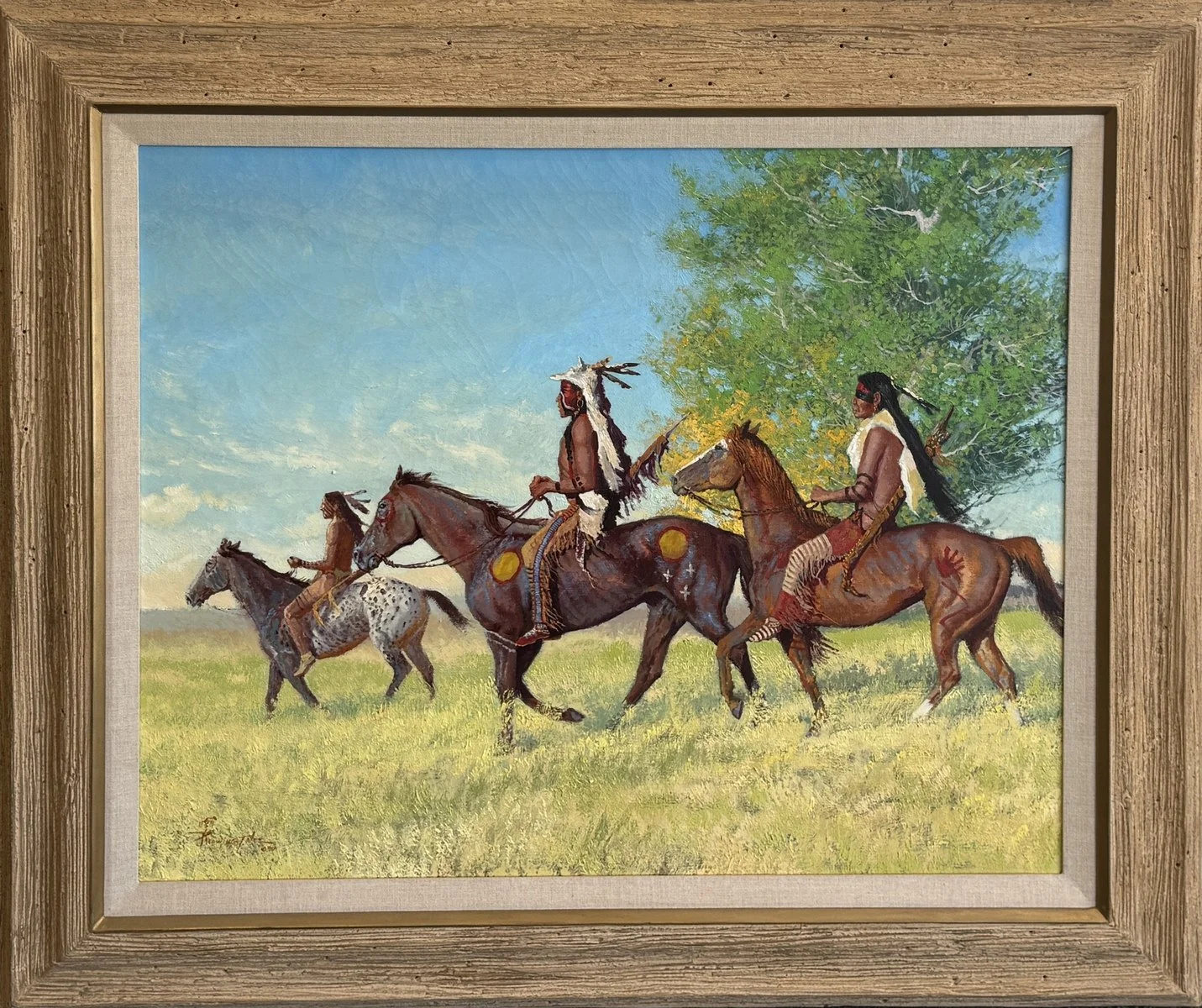
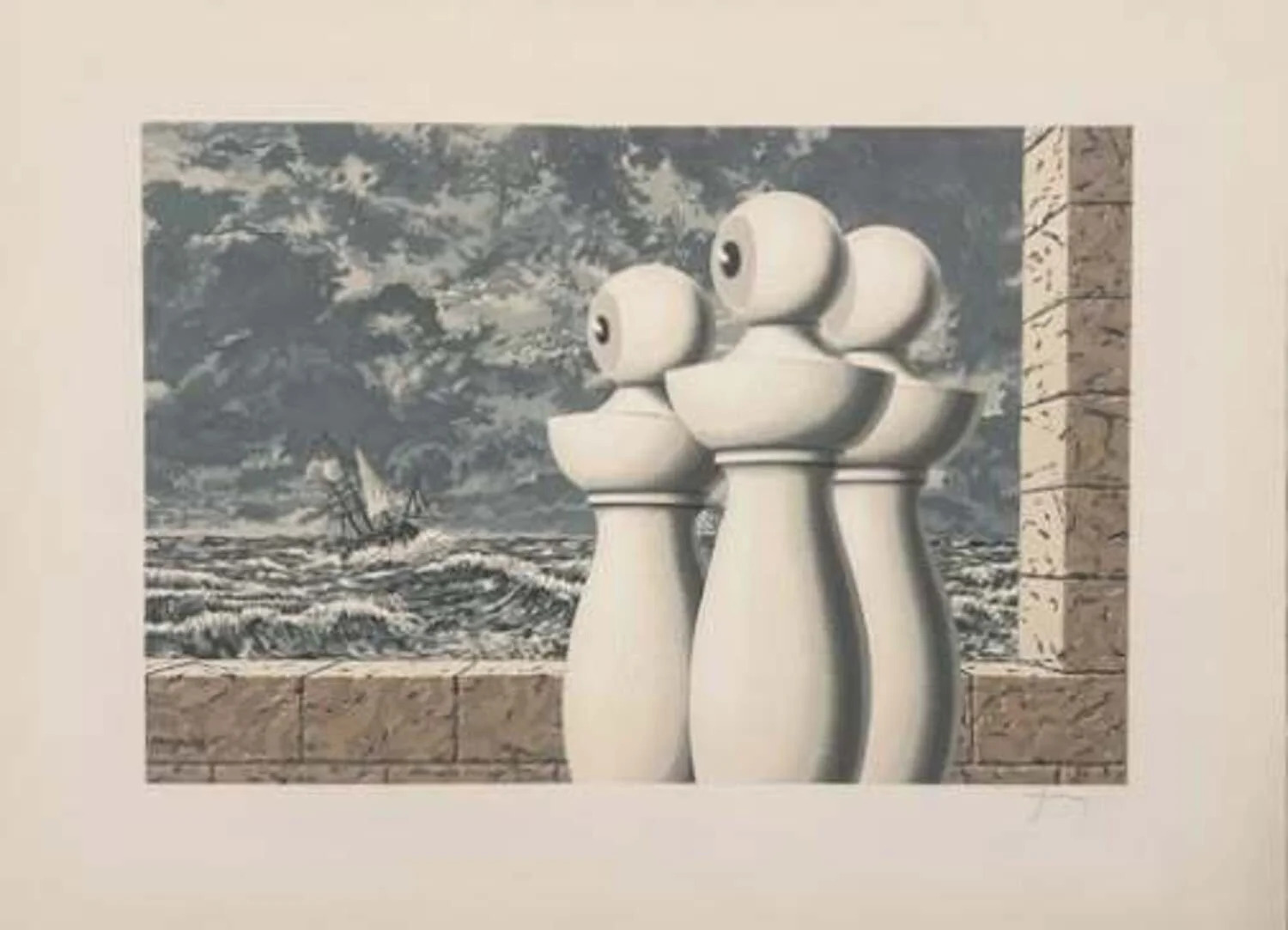
17.5 x 23.5 ″
Published by A.C. Mazo et Cie (ed. of 350) Printed by Frenand Mourlot